
The Vehicle Identification Number (VIN) is a crucial piece of information for any motorcycle owner or prospective buyer. Knowing where the VIN is located on a motorcycle is essential for registration, insurance, theft recovery, and verifying the bike’s history. This guide helps you quickly identify the VIN location across most motorcycles and understand its significance.
What Is a VIN and Why Does It Matter?
A VIN is a unique 17-character alphanumeric code assigned to every vehicle manufactured after 1981, including motorcycles. It encodes important data such as the manufacturer, model year, production plant, and serial number. This identification system allows authorities, insurance companies, and buyers to track the motorcycle’s history, ownership, and specifications.
For motorcycle owners, the VIN is necessary for:
- Vehicle registration and titling
- Insurance documentation
- Accident and theft reporting
- Verifying authenticity when buying or selling
Common Locations of the VIN on Motorcycles
Manufacturers typically place the VIN in standardized positions to ensure easy access while maintaining security. The most frequent VIN locations on motorcycles include:
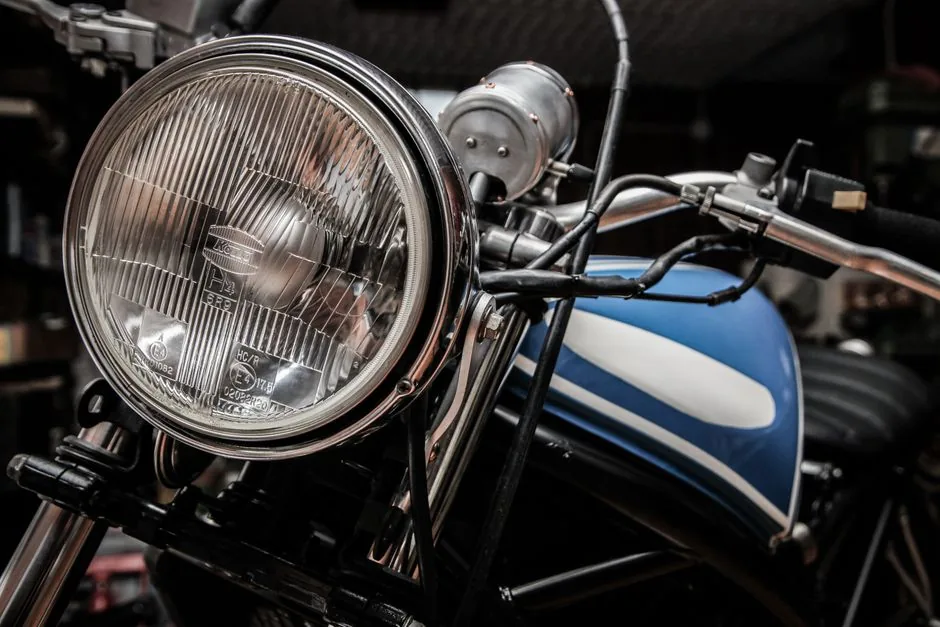
- Steering Neck (Headstock): The most common and visible location is stamped on the steering neck, which connects the front fork to the frame. Look near the handlebars or just below them on the front frame tube.
- Frame: Some motorcycles have the VIN engraved or stamped on the frame itself, often on the left side near the engine or below the seat.
- Engine Block: In rarer cases, the engine block may have a stamped serial number, but this is generally not the official VIN. Always confirm with manufacturer specifics.
Locating the VIN can vary slightly by make and model, but the steering head area remains a consistent spot across most brands including Harley-Davidson, Honda, Yamaha, Suzuki, and Kawasaki.
How to Read and Verify a Motorcycle VIN
The VIN consists of 17 characters combining letters and numbers, excluding I, O, and Q to prevent confusion with numerals 1 and 0. Each segment of characters reveals specific information:
- World Manufacturer Identifier (WMI) – first 3 characters identifying the manufacturer and country
- Vehicle Descriptor Section (VDS) – next 6 characters describing the model, engine type, and body style
- Vehicle Identifier Section (VIS) – last 8 characters indicating the model year, production plant, and serial number
To verify the VIN:
- Compare the physical VIN with the one on the motorcycle’s registration and title documents.
- Use online VIN decoder services tailored for motorcycles to confirm specifications.
- Check for tampering signs such as scratched paint, misaligned stamps, or inconsistent fonts.
Why Is the VIN Location Important for Buyers and Owners?
For buyers, knowing exactly where the VIN is located and how to read it is critical to avoid fraudulent sales or stolen motorcycles. Sellers must ensure the VIN is easily visible and matches all paperwork.
Owners benefit from quick VIN access during maintenance, inspections, and when ordering parts specific to the bike’s model and year.
Tips for Finding the VIN on Your Specific Motorcycle
If you’re struggling to locate your motorcycle’s VIN, try these approaches:
- Refer to the owner’s manual; manufacturers often specify the VIN location.
- Inspect the steering head from multiple angles and with good lighting.
- Clean the area gently if dirt or paint obscures the stamp.
- Contact the manufacturer or a trusted dealer with your bike’s make, model, and year.
Always be cautious of VIN alterations. If you suspect tampering, consult law enforcement or a professional before completing any transactions.
Legal and Practical Considerations Involving Motorcycle VINs
Many countries require the VIN to be clearly visible for registration and inspections. Obscuring or altering the VIN on purpose is illegal and can result in severe penalties.
Checking the VIN when buying a used motorcycle protects you from acquiring stolen or salvaged bikes. It is advisable to perform a VIN check through appropriate government or third-party services to access the vehicle’s history report.
FAQ: Where Is the VIN on a Motorcycle?
- What is the most common place to find the VIN on a motorcycle?
The VIN is most commonly located on the steering neck (also called the headstock) of the frame, visible near or below the handlebars. - Can the VIN be found on the engine?
Some motorcycles have serial numbers on the engine, but the official VIN is typically on the frame, not the engine block. - Why do manufacturers place the VIN on the steering neck?
This location is easy to inspect, protected from damage, and standardized across most motorcycles, simplifying identification. - What should I do if my motorcycle’s VIN is hard to find?
Consult your owner’s manual, inspect the frame carefully, clean the area gently, or contact a dealer for assistance. - Is it illegal if my VIN is missing or altered?
Yes, altering or removing a VIN is illegal in most jurisdictions and can have serious legal consequences. - How can I check if a VIN belongs to a stolen motorcycle?
You can use official government databases or reputable online VIN check services to verify the history of a motorcycle before purchasing it.
Verdict: Understanding Your Motorcycle’s VIN Location
Knowing where the VIN is on a motorcycle and how to read it empowers owners and buyers to protect their investment and comply with legal requirements. The VIN’s placement on the steering neck or frame is consistent among most manufacturers, making it accessible for inspections and verification. Always verify the VIN against documentation and trusted databases to avoid counterfeit or stolen vehicles.
While locating the VIN is generally straightforward, some models may vary slightly. If uncertain, use manufacturer resources or professional advice. Understanding the VIN system adds an important layer of security and knowledge for every motorcycle enthusiast.