
Motorcycle tires are critical safety components that directly affect handling, traction, and overall ride quality. Many riders ask: how long do motorcycle tires last? The answer varies depending on riding style, tire type, maintenance, and environmental conditions. Understanding these factors helps riders know when to replace tires before safety and performance decline. This article offers a comprehensive look at motorcycle tire lifespan, care tips, and signs it’s time for new tires.
Average Lifespan of Motorcycle Tires
Motorcycle tires generally last between 3,000 and 15,000 miles, with wide variability depending on usage and tire category. Sportbike tires on aggressive street riding may wear out in 3,000 to 5,000 miles, while touring or cruiser tires often exceed 10,000 miles due to less aggressive riding styles.
Besides mileage, most manufacturers recommend replacing tires every 5 to 6 years from the manufacturing date regardless of wear, since rubber compounds degrade over time.
Types of Tires and Their Impact on Lifespan
- Sport Tires: Softer compounds offer superior grip but wear faster, often lasting 3,000–6,000 miles.
- Touring Tires: Designed for longevity and stability on long rides, typically last 8,000–15,000 miles.
- Dual-Sport/Adventure Tires: Balanced for on- and off-road use, generally 5,000–10,000 miles depending on terrain.
- Off-Road Tires: Designed for traction on dirt and rough surfaces, often wear faster on pavement and need frequent changes.
Factors Affecting Motorcycle Tire Life
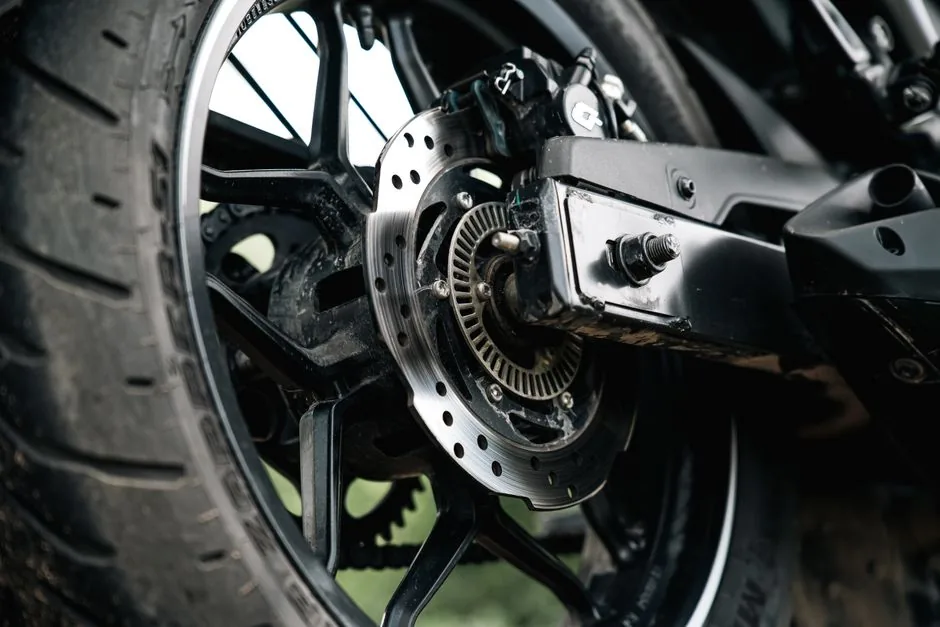
Several factors influence how long motorcycle tires last. Familiarity with these helps riders maximize tire life and safety.
- Riding Style: Aggressive acceleration, hard cornering, and frequent braking increase tire wear significantly.
- Road Conditions: Rough, abrasive, or uneven roads cause faster tread wear and can damage tires.
- Load and Pressure: Incorrect tire pressure and carrying excessive weight increase wear and heat buildup.
- Climate and Storage: Exposure to UV light, ozone, and temperature extremes degrade rubber compounds over time.
- Tire Maintenance: Regular pressure checks, wheel alignment, and balancing reduce uneven wear and extend tire life.
How to Identify When Motorcycle Tires Need Replacement
Knowing when to replace tires is essential for safety. Look for these common signs:
- Tread Depth: The legal minimum tread depth varies by region but commonly around 1.6 mm (2/32 inch). Use a tread depth gauge or check built-in tread indicators.
- Cracks or Dry Rot: Cracking on sidewalls or tread surface indicates aging and rubber degradation.
- Bulges or Deformities: Sidewall bubbles or irregular shapes indicate internal damage and require immediate replacement.
- Uneven Wear: Excessive wear in specific areas may indicate misalignment or suspension issues affecting tire lifespan.
- Handling Issues: Vibration, skidding, or reduced grip can signal worn tires.
Regular visual inspections and feel tests during rides are good habits to catch tire issues early.
Best Practices for Extending Motorcycle Tire Life
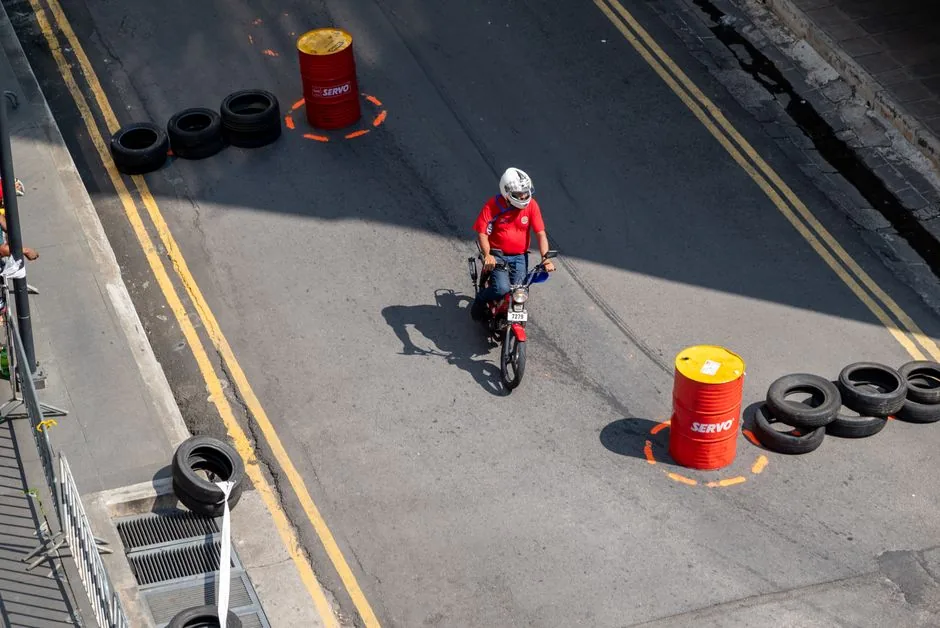
While all tires wear eventually, these maintenance tips can help maximize service life:
- Maintain Correct Tire Pressure: Check pressure before every ride to manufacturer’s recommended values. Underinflation causes excessive flexing, overinflation reduces tire contact patch.
- Regularly Inspect Tires: Look for damage, embedded debris, or irregular wear patterns.
- Ride Smoothly: Avoid rapid acceleration, harsh braking, and aggressive cornering when possible.
- Store Properly: Keep motorcycles in cool, shaded, and dry environments to avoid premature rubber aging.
- Balance and Align Wheels: Proper balance and alignment prevent uneven wear.
- Rotate Tires (if applicable): Some motorcycles with dual tires allow rotation; check manufacturer recommendations.
How Climate Affects Motorcycle Tire Longevity
Environmental conditions play a subtle but important role. Warm climates accelerate tire compound aging, while cold climates may affect tire pressure more frequently. UV exposure, ozone, and moisture can lead to cracks and dry rot. Riders in extreme climates should routinely inspect tires and consider more frequent replacements.
Professional Inspection and Replacement Recommendations
Although riders can conduct basic checks, professional tire inspection is recommended during regular servicing. Mechanics can identify internal damage, tire bead issues, or unseen irregularities. Always follow the tire manufacturer’s guidelines and replace tires if in doubt about their safety.
FAQ About Motorcycle Tire Lifespan
- How often should I check my motorcycle tires?
Check tire pressure and do a quick visual inspection before every ride and a more detailed check monthly. - Can I ride on tires past their expiry date?
Riding on tires older than 5–6 years is not recommended due to rubber degradation, even if tread appears sufficient. - Do all motorcycle tires wear evenly?
No, wear patterns vary depending on tire position, suspension, riding habits, and road conditions. - Is it safe to mix old and new tires?
It’s best to replace both tires at the same time or at least ensure similar wear levels to maintain balanced handling. - Can tire lifespan be extended by changing riding habits?
Yes, smooth acceleration, braking, and avoiding excessive lean angles can notably reduce tire wear. - What’s the impact of tire pressure on tire longevity?
Incorrect tire pressure increases wear and heat, leading to reduced tire life and compromised safety. - Are there mileage guarantees for motorcycle tires?
Some manufacturers offer mileage warranties, but actual lifespan varies greatly by use and conditions. - Should I replace tires based solely on tread depth?
Tread depth is important but also consider age, cracks, and tire damage when deciding replacement time.
Verdict: Balancing Safety and Tire Longevity
Motorcycle tires do not have a fixed lifespan—it depends on multiple factors including tire type, riding style, and maintenance. A typical range is 3,000 to 15,000 miles, or around 5 years in calendar age. Riders should monitor tread depth, inspect for damage, and follow manufacturer guidelines. Maintaining correct tire pressure and riding smoothly can extend tire life. Prioritizing safety means replacing tires at the first sign of significant wear or aging. Regular professional inspections help ensure tires provide optimal traction and protection.
Overall, understanding how long motorcycle tires last helps riders make informed decisions to enjoy both performance and safety throughout their riding adventures.