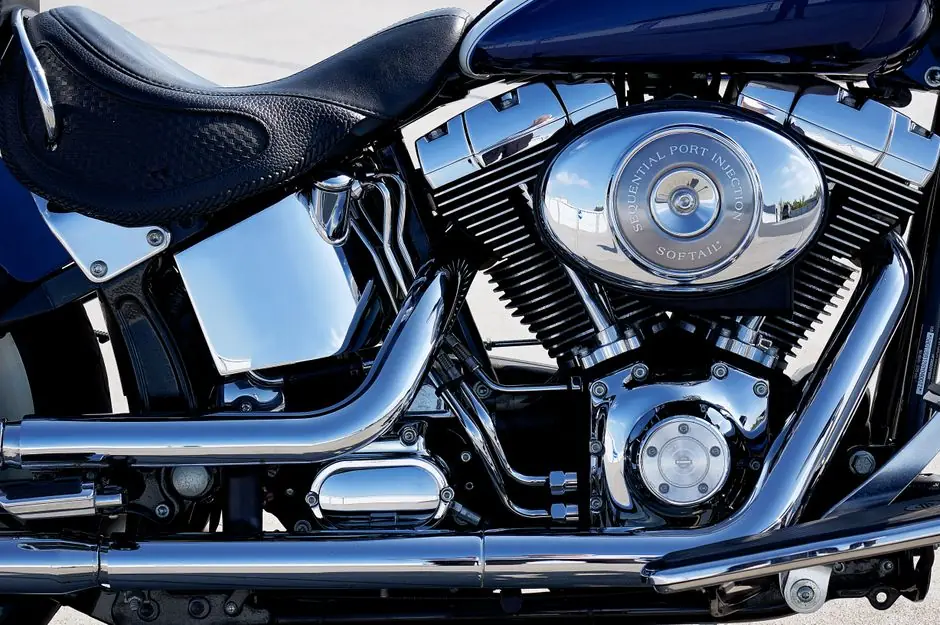
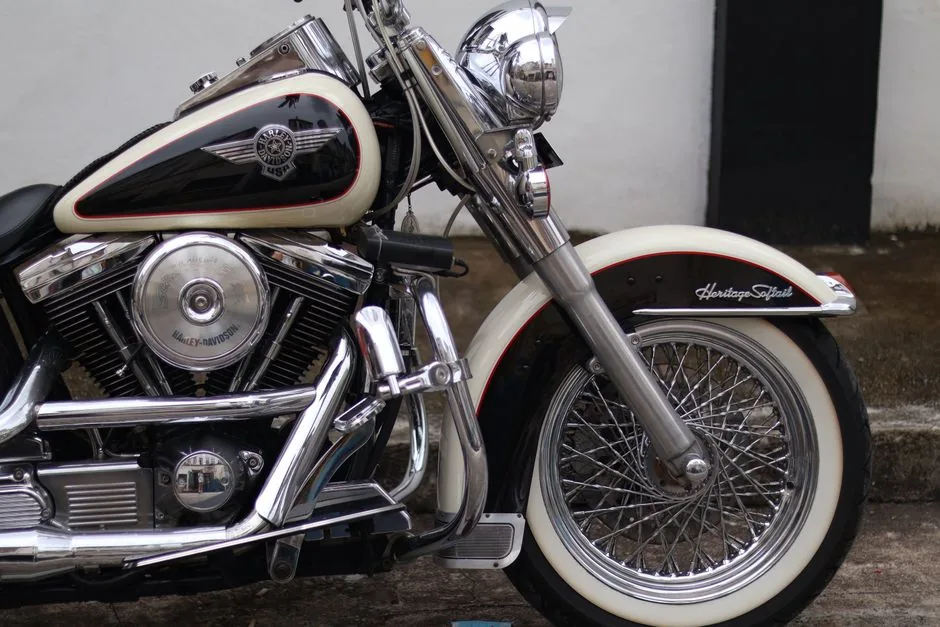
A softail motorcycle is a distinctive style of cruiser bike known for its classic look paired with modern comfort technologies. Riders often appreciate softails because they maintain the vintage aesthetic of a rigid, or “hardtail,” frame while incorporating a concealed rear suspension system that absorbs bumps and improves ride smoothness. If you’re curious about what exactly a softail motorcycle is and why it remains popular among riders who value both style and comfort, this comprehensive guide will clarify its defining features, how it works, pros and cons, and how it compares to other motorcycle designs.
What Is a Softail Motorcycle?
A softail motorcycle is defined primarily by its frame design, which visually mimics the rigid, “hardtail” frames of vintage motorcycles that lack rear suspension. Unlike true hardtails, however, softails incorporate a rear suspension system—usually a hidden coil-over shock absorber or linkages—that is tucked under the motorcycle’s frame. This design allows for a smooth ride while preserving the clean lines and classic styling preferred by cruiser enthusiasts.
The term “softail” originated and is now trademarked by Harley-Davidson, one of the most iconic manufacturers to adopt this style. Today, the softail frame concept has inspired various other manufacturers and custom builders to produce motorcycles that merge retro looks with modern suspension technology.
How Does a Softail Motorcycle Work?
Unlike motorcycles with visibly exposed rear shocks or swingarms, a softail conceals the suspension system beneath the frame. Typically, a single shock absorber is mounted horizontally or at an angle under the main frame. This setup is connected to a swingarm that supports the rear wheel. When the bike encounters bumps or rough terrain, the shock absorber compresses, absorbing impacts that would otherwise transmit directly to the rider.
This system improves ride comfort greatly compared to hardtail motorcycles, which have no rear suspension, transmitting every vibration to the rider and increasing fatigue. At the same time, softails avoid the bulkier, more modern look of visible rear shocks on cruisers, preserving a streamlined and vintage aesthetic.
Key Features of Softail Motorcycles
Hidden Rear Suspension: The hallmark feature that differentiates softails from hardtails and other cruiser designs.
Classic Styling: Softails maintain clean frame lines reminiscent of early motorcycles without rear shocks.
Comfortable Ride: Rear shock absorbers improve long-distance ride comfort and handling.
Customization Friendly: The simple but elegant frame design allows for extensive customization in paint, parts, and accessories.
Advantages of Softail Motorcycles
Softail motorcycles appeal to riders seeking a blend of vintage style and modern ride quality. Some of the notable benefits include:
Improved Comfort: The rear suspension lessens the impact of bumps and rough roads compared to hardtail frames.
Timeless Aesthetics: Softails keep the classic cruiser look without compromising on rideability.
Smoother Handling: Suspension contributes to better traction and control, enhancing overall ride dynamics.
Reduced Rider Fatigue: Shock absorption helps riders endure longer journeys with less physical strain.
Resale Value: Popularity among cruiser enthusiasts often leads to strong resale value.
Softail vs. Hardtail: What’s the Difference?
Understanding the difference between softail and hardtail motorcycles is essential in grasping why softails became popular.
Aspect
Softail
Hardtail
Rear Suspension
Hidden rear shock absorber or linkage setup
No rear suspension; rigid frame
Ride Comfort
Much smoother, absorbs road vibrations
Harsh ride, transmits all bumps to rider
Aesthetic
Classic vintage look with modern functionality
Authentic vintage look but impractical for daily riding
Handling
Better traction and control over rough surfaces
Poor handling on uneven terrain
Use Cases
Street and highway riding, long trips
Mostly show bike or short distance cruising
Popular Manufacturers and Models Featuring Softail Frames
Harley-Davidson is the brand most closely associated with the softail concept. Their Softail lineup includes models like the Softail Standard, Fat Boy, Heritage Classic, and Sport Glide. These motorcycles feature Harley’s signature Milwaukee-Eight V-twin engines paired with the trademark softail frame.
Other manufacturers and custom builders have also embraced the softail design philosophy, adapting hidden rear suspension into their cruiser or bobber style motorcycles.
Maintenance and Ownership Considerations
Softail motorcycles generally require maintenance similar to other cruisers but with some attention needed for the rear suspension components. Regular inspection of shock absorbers, linkage points, and swingarm bearings is essential to ensuring continued smooth operation.
Experienced riders often report that while softails may have a slightly higher maintenance cost than hardtails due to suspension parts, the benefits in comfort and handling far outweigh the expenses.
Image: Mike Bird / Pexels
Who Should Consider Buying a Softail Motorcycle?
Softail motorcycles are well suited for riders who desire the nostalgic appearance of vintage cruisers but refuse to sacrifice comfort and rideability. They are ideal for:
Daily commuters looking for a stylish yet practical bike.
Touring riders who require a smooth and fatigue-reducing ride over long distances.
Custom enthusiasts who want a classic frame design as a foundation for personalization.
On the other hand, riders seeking performance sport or off-road capabilities should explore other motorcycle types more optimized for those purposes.
Softail vs. Dyna and Touring Frames
Within Harley-Davidson’s lineup, the softail frames replaced the older Dyna frames in 2018, combining the lightness and vintage style of softails with the versatility of Dynas. In contrast, touring frames are designed around attaching luggage, fairings, and large fuel tanks for extended travel comfort.
Softails typically occupy a middle ground offering more agility than touring bikes while boasting smoother suspension than older hardtail-style models or Dynas.
Image: Elizabeth K. / Pexels
Common FAQs About Softail Motorcycles
What makes a softail different from other cruiser motorcycles?
A softail’s hidden rear suspension system is its defining feature, providing comfort without sacrificing vintage aesthetics.
Are softail motorcycles good for long-distance touring?
Yes, softails provide a smoother ride than hardtails, which can help reduce rider fatigue on long trips.
Is a softail motorcycle harder to maintain?
Not significantly; softails require usual cruiser maintenance plus regular checks on hidden suspension components.
Can softail frames be customized easily?
Yes, their classic frame design is popular among custom builders due to its simplicity and clean lines.
Which manufacturers make softail motorcycles?
Harley-Davidson popularized the term and design; other brands and custom builders also produce softail-style motorcycles.
Verdict: Are Softail Motorcycles Worth It?
Softail motorcycles offer a compelling combination of timeless cruiser style and modern ride comfort, making them an excellent choice for riders who value both aesthetics and practicality. Their hidden rear suspension improves handling and reduces fatigue without compromising the nostalgic look enthusiasts crave.
While slightly more maintenance-intensive than hardtails, the comfort and ride quality advantages justify the investment for most riders. Softails fit well for daily commuting, weekend cruising, and touring, especially within Harley-Davidson’s diverse Softail lineup.
Overall, if you want a classic motorcycle experience with modern comfort, a softail is an ideal choice that balances tradition and technology.