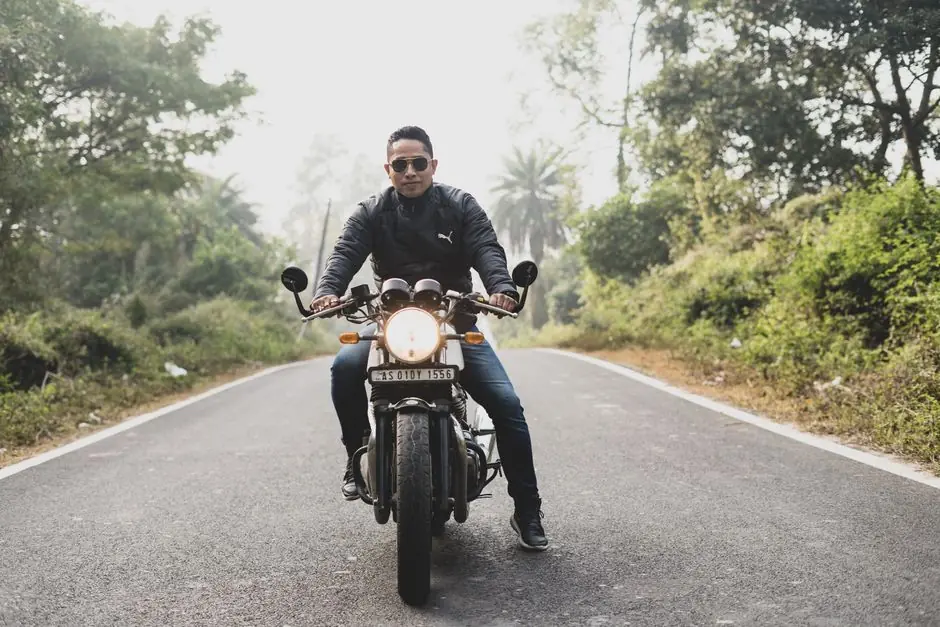
Getting a motorcycle license is essential for anyone eager to ride legally and safely. Whether you’re a beginner or upgrading from a regular driver’s license, knowing how to get a motorcycle license requires understanding your local laws, passing written and riding tests, and sometimes completing approved safety courses. This guide breaks down the common steps involved in 2024 so you can confidently earn your motorcycle endorsement or license.
Types of Motorcycle Licenses and Who Needs Them
Motorcycle licensing categories vary significantly by country and state, often depending on engine size and rider experience. Typically, most jurisdictions offer:
- Motorcycle Permit: A learner’s permit allowing supervised riding to practice skills before full licensing.
- Restricted or Provisional Motorcycle License: Limits on engine size, speed, or riding times to ease new riders into full privileges.
- Full Motorcycle License or Endorsement: Grants unrestricted riding privileges on any motorcycle within the license class.
Before you start, check your local Department of Motor Vehicles (DMV) or equivalent agency for specific license classes, age requirements, and restrictions where you live.
Step 1: Meet the Basic Eligibility Requirements
The first step to getting a motorcycle license is to ensure you meet basic eligibility criteria. While details differ, common requirements include:
- Minimum Age: Usually between 16 to 18 years old, depending on the region.
- Legal Identification: Proof of identity, residency, and sometimes social security number or equivalent national ID.
- Valid Driver’s License: Some places require a standard driver’s license before applying for a motorcycle permit.
- Vision and Medical Screening: Basic vision tests or medical declarations may be needed to certify you can safely operate a motorcycle.
Confirm these prerequisites early to prepare documentation ahead of time.
Step 2: Study the Motorcycle Handbook and Prepare for the Written Test
Most licensing authorities provide a Motorcycle Handbook that covers traffic laws, motorcycle operation, safety tips, and road signs specific to motorcyclists. Studying this manual is crucial for passing the written knowledge test.
The written exam typically includes questions about:
- Basic motorcycle mechanics and controls
- Safe riding practices and protective gear
- Traffic rules as they apply to motorcyclists
- Hazard recognition and accident avoidance
Many DMVs also offer practice tests online that simulate the real exam format.
Step 3: Obtain a Motorcycle Learner’s Permit
After passing the written knowledge test, you will be issued a learner’s permit in most jurisdictions. This permit allows you to practice riding on public roads but generally comes with restrictions such as:
- Riding only during daylight hours
- Never carrying passengers
- Mandatory helmet use
- Always riding under supervision or within certain geographic limits
Holding a permit period—ranging from a few months to over a year—is designed to give new riders practical experience before taking the road skills test.
Step 4: Enroll in a Motorcycle Safety Course
Many countries and states encourage or require enrolling in an approved Motorcycle Safety Foundation (MSF) or equivalent basic rider course. These courses combine classroom learning with hands-on riding instruction conducted on a closed course.
Benefits of taking a safety course include:
- Learning essential motorcycle control skills in a safe environment
- Improving hazard recognition and defensive riding techniques
- Potentially waiving the road skills test when applying for the full license
- Reducing insurance premiums in many cases
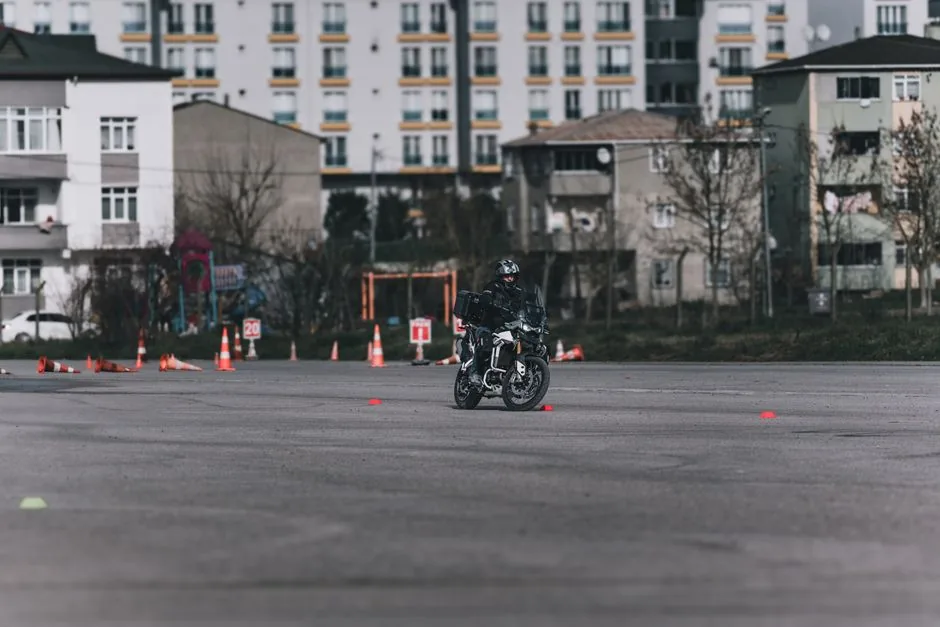
Step 5: Pass the Road Skills Test or Complete the Safety Course
The final step to obtaining your motorcycle license typically involves demonstrating your riding ability by passing a practical skills test. The test may require you to:
- Perform slow maneuvers such as tight turns and figure eights
- Accelerate and brake smoothly
- Complete emergency stop procedures
- Navigate through cones or obstacle courses safely
- Show general road awareness and control
If you successfully complete an approved rider education course, many agencies waive the riding test requirement.
Common Requirements and Tips for the Road Skills Test
- Bring your own motorcycle that meets local registration and safety standards.
- Wear required protective gear including a DOT-approved helmet, gloves, jacket, and closed-toe shoes.
- Practice slow-speed balance and clutch control before the test day.
- Understand the test route or area, and listen carefully to the examiner’s instructions.
After You Pass: Getting Your Motorcycle License
Once you pass all required tests and meet all criteria, your motorcycle license or endorsement will be issued. This may be a physical card or added to your existing driver’s license. Remember to:
- Carry your license whenever you ride
- Comply with any restrictions if you hold a provisional license
- Renew your license on time and complete any continuing education if needed
With your license secured, you are legally allowed to ride motorcycles matching your license class on public roads.
Frequently Asked Questions (FAQ) About Getting a Motorcycle License
1. Do I need a motorcycle license to ride a scooter or moped?
Requirements vary by region. Small engine scooters or mopeds may only require a standard driver’s license or a specific moped permit. Check local laws.
2. How long does it take to get a motorcycle license?
It depends on how quickly you complete the written test, learner’s permit period, safety course, and riding test. The process can range from a few weeks to several months.
3. Can I ride a motorcycle without a license if I have a permit?
You can typically ride with a learner’s permit but must follow restrictions such as no passengers and riding under supervision.
4. What age do I need to be to get a motorcycle license?
Most places require riders to be at least 16 years old, though some jurisdictions allow younger riders with parental consent.
5. Are motorcycle safety courses really necessary?
While not always mandatory, these courses greatly increase rider safety, improve skills, and may reduce insurance costs.
Conclusion: Start Your Riding Journey Safely and Legally
Getting a motorcycle license in 2024 involves meeting age and documentation requirements, passing written and riding tests, and often completing a safety course. The process may vary by location but follows a common structure designed to ensure you have the knowledge and practical skills needed for safe riding. Preparing thoroughly, practicing consistently, and using proper protective gear will set you up for success. Riding with a valid license not only keeps you compliant with the law but also contributes to safer roads for everyone.