
When considering motorcycle ownership, understanding how much motorcycle insurance costs is crucial. Insurance is not only a legal requirement in many places but also a vital financial safety net against accidents, theft, or damage. However, the cost of motorcycle insurance isn’t fixed; it varies widely depending on numerous factors including the rider’s profile, bike type, location, and coverage level.
This comprehensive guide will help you grasp the typical cost ranges of motorcycle insurance in 2024, explain what impacts your premiums, and provide practical tips to secure the best rates while ensuring adequate protection. Whether you’re a new rider or a seasoned motorcyclist, knowing these details helps you plan your budget more effectively and approach insurance with confidence.
Average Motorcycle Insurance Costs in 2024
On average, motorcycle insurance in the United States costs between $300 and $1,000 per year. According to data from sources like the National Association of Insurance Commissioners (NAIC) and market surveys:
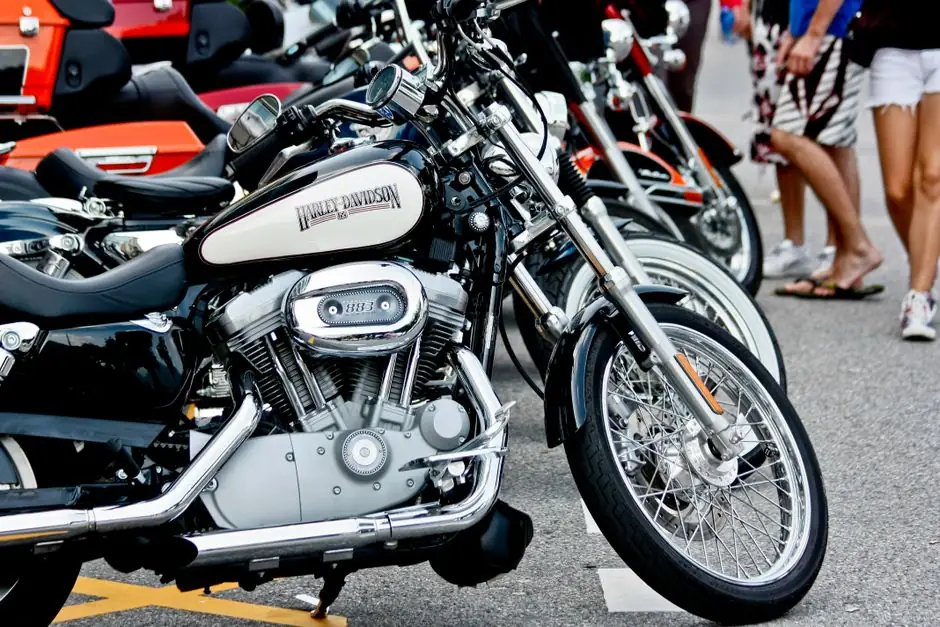
- Entry-level and cruiser motorcycles typically cost less to insure, averaging around $300 to $600 annually.
- Sportbikes and high-performance motorcycles often have premiums ranging from $700 to over $1,000 yearly, due to higher risk factors.
- Older or low-powered bikes can sometimes be insured for less, often under $300 per year.
It’s important to note that these averages can vary dramatically by state, insurer, and personal circumstances. For example, insurance costs are higher in urban areas with more traffic and theft rates, while rural riders may see lower premiums.
Key Factors That Affect Motorcycle Insurance Cost
Understanding the factors insurers use to calculate your motorcycle insurance premium can help you control costs:
1. Motorcycle Type and Engine Size
Larger engines and sport-oriented motorcycles generally lead to higher rates. Insurers consider them higher risk due to greater accident likelihood and repair costs.
2. Rider’s Age and Experience
Young riders under 25 or those with little riding experience typically pay more, as statistics show they are more prone to accidents. Experienced riders often get lower premiums.
3. Location
Urban areas with dense traffic and higher crime rates increase risks of accidents and theft, raising insurance costs compared to rural areas.
4. Coverage Type and Limits
Basic liability coverage is less expensive but offers minimal protection. Comprehensive and collision coverage with higher limits costs more but provides greater peace of mind.
5. Driving Record
A clean record with no prior claims or traffic violations lowers premiums. Conversely, recent accidents or tickets increase rates.
6. Usage and Mileage
Riders who use their motorcycle daily or for commuting generally pay more than occasional weekend riders due to higher exposure risk.
7. Security Features
Installing anti-theft devices like alarms or GPS trackers can reduce theft risk and lead to insurance discounts.
8. Group or Multi-Policy Discounts
Some insurers offer discounts if you bundle motorcycle insurance with other policies such as auto or home insurance.
How to Lower Your Motorcycle Insurance Premiums
There are practical steps riders can take to reduce insurance costs without sacrificing essential coverage:
- Choose an appropriate bike: If budget is a concern, opt for motorcycles with moderate engine sizes and lower risk profiles.
- Take a Motorcycle Safety Course: Many insurers reward riders who complete certified safety training with premium discounts.
- Maintain a clean driving record: Avoid traffic violations and accidents to keep rates low.
- Limit mileage: Use your bike primarily for leisure rather than daily commuting.
- Install security devices: Theft prevention measures can help secure discounts.
- Shop multiple insurers: Comparing quotes across reputable providers ensures you get competitive rates.
- Bundle your insurance: Combining motorcycle coverage with auto or homeowner’s insurance can yield multi-policy savings.
- Select higher deductibles: Increasing your deductible reduces premium costs but means more out-of-pocket expense in claims.
Applying these tips can often save you hundreds of dollars on premiums annually.
Understanding Different Motorcycle Insurance Coverage Types
Motorcycle insurance policies generally include several key types of coverage:
- Liability Coverage: Covers injury or property damage caused to others; usually mandatory by law.
- Collision Coverage: Pays for damage to your bike from an accident, regardless of fault.
- Comprehensive Coverage: Protects against theft, vandalism, fire, or natural disasters.
- Uninsured/Underinsured Motorist Protection: Covers costs if hit by a driver without sufficient insurance.
- Medical Payments Coverage: Pays medical or funeral expenses after an accident.
If you have a newer or expensive motorcycle, comprehensive and collision coverage are recommended. For older or low-value bikes, liability-only insurance may be enough.
State-by-State Motorcycle Insurance Cost Variation
Insurance premiums vary significantly across different states due to local laws, traffic density, theft rates, and repair costs. For example:
- California and Florida: Tend to have higher average premiums due to dense urban centers and higher claims.
- Texas and Ohio: Often have competitive rates due to larger rural areas and less congestion.
- Nebraska and Idaho: Typically feature some of the lowest motorcycle insurance costs.
Check your state’s insurance commission website or local insurers to get accurate quotes for your area.

Common Myths About Motorcycle Insurance Costs
Several misconceptions may lead riders to overpay or underinsure themselves:
- Myth: Harley-Davidson and cruiser owners always pay more. While some cruisers can be more expensive, models with lower powers or older engines can be cheaper than sportbikes.
- Myth: Being young means you cannot get affordable insurance. Although premiums are higher for young riders, taking safety courses and choosing the right bike can reduce costs substantially.
- Myth: Minimal liability coverage is always sufficient. While cheapest, it may leave you exposed to major costs if you cause significant damage or injury.
Tips for First-Time Motorcycle Insurance Buyers
- Assess your insurance needs: Consider your bike’s value, riding frequency, and personal risk tolerance.
- Get multiple quotes: Check prices from at least three insurance providers, including specialized motorcycle insurers.
- Ask about discounts: Inquire about available savings for safety courses, multi-vehicle policies, or limited mileage.
- Review policy details carefully: Understand coverage limits, deductibles, and exclusions before purchasing.
- Plan for annual policy reviews: Your insurance needs and costs can change over time; reevaluate your plan yearly.
FAQ: Motorcycle Insurance Cost
How much does basic motorcycle insurance cost per month?
Basic liability motorcycle insurance typically costs between $20 and $50 per month, depending on state and rider profile.
Does motorcycle insurance cost more for younger riders?
Yes, young or inexperienced riders usually pay higher premiums due to increased risk of accidents.
Can taking a motorcycle safety course lower premiums?
Many insurance companies offer discounts if you complete an approved safety course, sometimes up to 15% or more.
Is comprehensive coverage necessary for all motorcycles?
If your motorcycle has significant value, comprehensive coverage is advisable to protect against theft and damage beyond collisions.
Do insurance premiums differ based on motorcycle brand?
Yes, certain brands and models, particularly high-performance sportbikes, may have higher insurance costs due to repair expenses and risk factors.
Will bundling motorcycle insurance with other policies save money?
Yes, multi-policy discounts are common and can reduce overall insurance costs.
How does mileage affect motorcycle insurance cost?
Higher annual mileage increases exposure to risk and typically results in higher premiums.
Verdict: Balancing Cost with Coverage
Knowing how much motorcycle insurance costs empowers riders to make informed decisions balancing budget with adequate protection. While premiums can range widely based on many variables, understanding the key factors helps you tailor policy coverage smartly.
Entry-level riders on smaller or cruiser motorcycles can often find affordable insurance in the $300–$600 per year range. Those with high-performance sportbikes or extensive daily use should expect higher premiums but can use discounts and safe practices to manage costs.
Ultimately, carefully choosing coverage type, maintaining a good riding record, and shopping around will ensure you enjoy the freedom of motorcycle riding with financial security and peace of mind.
For more guidance on motorcycle ownership costs, visit our motorcycle ownership resources.