
Performing a burnout on a motorcycle is an impressive skill that showcases throttle control, clutch mastery, and bike handling. Riders often ask how to do a burnout on a motorcycle safely and effectively, whether for shows, practice, or personal enjoyment. This article provides a comprehensive guide covering preparation, techniques, safety precautions, and legal concerns to help riders perform burnouts responsibly and confidently.
What Is a Motorcycle Burnout?
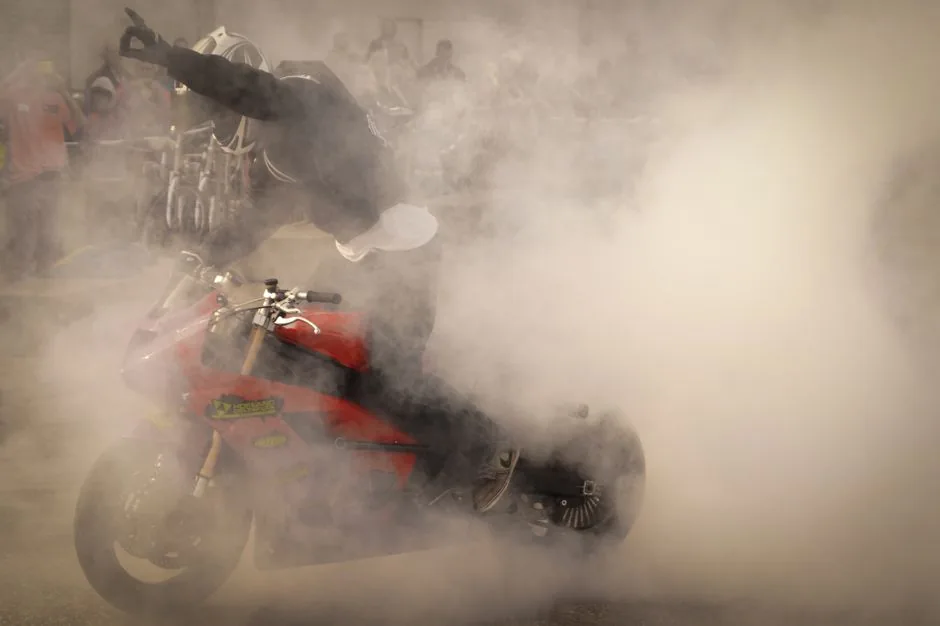
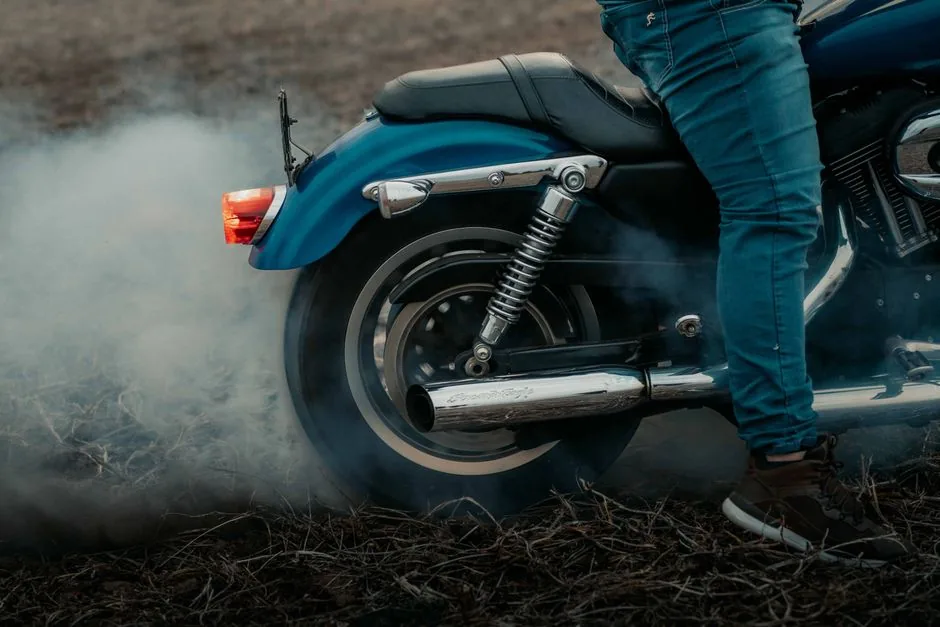
A motorcycle burnout involves spinning the rear tire rapidly while the front brake is applied firmly to keep the bike in place or limit forward motion. This action causes the rear tire to heat up and smoke due to friction with the ground. Burnouts are popular in motorsports, stunt riding, and motorcycle events as a visual spectacle. However, they require skill to avoid damaging the motorcycle or risking injury.
Essential Safety Precautions Before Attempting a Burnout
Safety should be the top priority before attempting any burnout maneuver. Here are critical precautions to consider:
- Wear Protective Gear: Full gear including helmet, gloves, jacket, pants, and boots to protect in case of slips or falls.
- Choose a Safe Location: Perform burnouts on a closed course, private property, or controlled environment where it is legal and safe. Avoid public roads.
- Check Your Motorcycle Condition: Ensure tires, brakes, and engine are in good working order. Avoid worn or damaged tires to reduce accident risk.
- Know Your Bike: Some motorcycles have traction control or ABS systems that may interfere with burnouts. Understand how to disable these if possible and safe.
- Be Mindful of Surroundings: Ensure ample space around to prevent harm to bystanders or property damage.
Step-by-Step Guide: How to Do a Motorcycle Burnout
Follow these steps to perform a controlled burnout:
- Start with the Motorcycle Stabilized: Position the bike on level ground and keep it upright using your feet initially or a stand if available.
- Engage the Front Brake Firmly: Hold the front brake lever with enough pressure to lock the front wheel in place. This prevents the bike from moving forward.
- Engage the Clutch and Select First Gear: Pull the clutch lever to disengage the engine from the rear wheel and shift into first gear.
- Apply Moderate Throttle: Begin increasing throttle slightly to spin the rear wheel while holding the clutch.
- Release the Clutch Slowly: Gradually release the clutch to engage the rear wheel and start the tire spinning.
- Balance Throttle and Brake: Maintain enough throttle to keep the rear tire spinning but hold the front brake to keep the bike from moving forward.
- Manage the Burnout Duration: Do not hold the burnout for too long to avoid overheating or excessive tire wear.
- Release Controls Smoothly: When finished, slowly reduce throttle, disengage the front brake, and stabilize the bike to avoid a sudden jerk or loss of control.
Motorcycle Types and Burnout Techniques
Different motorcycle styles demand slight variations in burnout technique due to design and technology differences.
- Standard and Naked Bikes: Easier for beginners, due to lighter weight and simpler electronics.
- Sportbikes: High power and traction control systems may require turning off electronic aids to perform burnouts effectively.
- Cruisers and Touring Bikes: Heavier, requiring more throttle but generally easier to control the bike’s stability.
Experienced riders often adapt their technique based on the bike’s characteristics and their comfort level.
Common Mistakes to Avoid When Doing a Burnout
- Applying Too Much Throttle Suddenly: Causes loss of control or engine over-revving.
- Releasing Clutch Too Quickly: Risks bike jerking forward or stalling.
- Ignoring Front Brake Pressure: Insufficient grip can cause the bike to lurch or move unexpectedly.
- Performing Burnouts on Public Roads: Illegal and dangerous, with risks of fines or accidents.
- Not Wearing Proper Gear: Burns or injuries are possible if a mishap occurs.
Mechanical and Safety Considerations
Performing burnouts puts a strain on your motorcycle components. Here are some points to keep in mind:
- Tire Wear: Burnouts consume tire tread quickly, so use older tires for practice.
- Transmission and Clutch Stress: Repeated burnouts can overheat or wear these parts prematurely.
- Engine Heat: Prolonged burnouts cause engine and exhaust system to overheat.
- Brakes: Holding the front brake hard can cause brake overheating or failure if done excessively.
Regular maintenance and using appropriate parts designed for high-stress riding help extend component life.
Legal and Ethical Considerations for Burnouts
Before performing burnouts, be aware of the legal implications and community impact:
- Check Local Laws: Many jurisdictions prohibit burnouts on public roads or in residential areas due to noise and safety concerns.
- Respect Property: Always have permission to use private property for practicing.
- Consider Noise and Pollution: Burnouts produce loud noise and smoke that may disturb neighbors or bystanders.
- Community Perception: Reckless burnouts can harm the reputation of motorcyclists and lead to restrictive regulations.
Performing burnouts responsibly and respectfully helps preserve riding privileges for everyone.
Frequently Asked Questions (FAQ)
Is performing a burnout bad for my motorcycle?
Burnouts do cause extra wear on tires, clutches, transmissions, and brakes. Occasional burnouts done correctly typically won’t cause immediate damage but frequent or prolonged burnouts can shorten component lifespan.
Do all motorcycles support burnouts?
Most motorcycles can perform burnouts, but traction control, ABS systems, and bike weight affect ease and safety. Some modern bikes require disabling electronic aids for burnouts.
Can a beginner learn burnouts safely?
Yes, with proper safety gear, controlled environments, and gradual practice, beginners can learn burnouts safely. Start slow and build confidence.
What type of tires should I use for burnouts?
Older tires with worn tread are preferable for practicing burnouts to avoid ruining new or expensive tires. Tire durability varies by type and compound.
Are burnouts legal on public roads?
Burnouts are generally illegal on public streets due to safety and nuisance concerns. Always check local laws and avoid public areas.
How can I reduce tire wear during burnouts?
Limit burnout duration, avoid aggressive clutch dumping, and perform them on suitable surfaces to reduce tire damage.
Should I disable traction control for burnouts?
Disabling traction control helps maintain consistent rear wheel spin. However, do this only if you understand the system and can operate safely.
Verdict: Is Learning to Do a Motorcycle Burnout Worth It?
Learning to do a burnout can enhance your throttle and clutch control skills, improve confidence, and add enjoyment to your riding experience. However, it must be approached with caution, respect for safety, and attention to mechanical preservation. Burnouts are best practiced in safe, legal, and controlled environments to avoid accidents, legal trouble, and excessive wear on your bike.
Ideal riders seeking stunt riding or motorsport involvement may find mastering burnouts beneficial, while casual riders should weigh the risks against rewards. With proper technique and awareness, burnouts can be a thrilling and skillful riding expression.