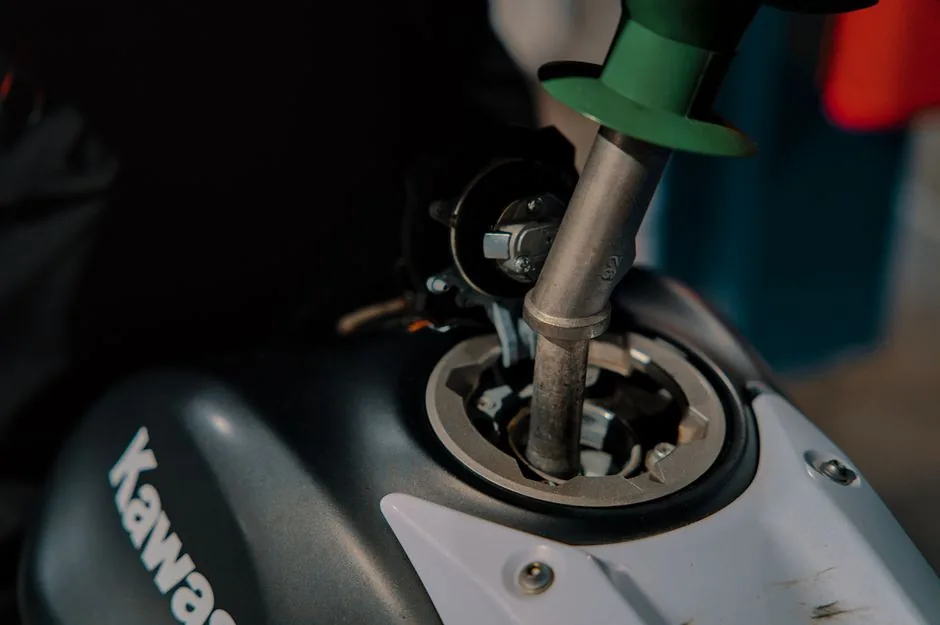
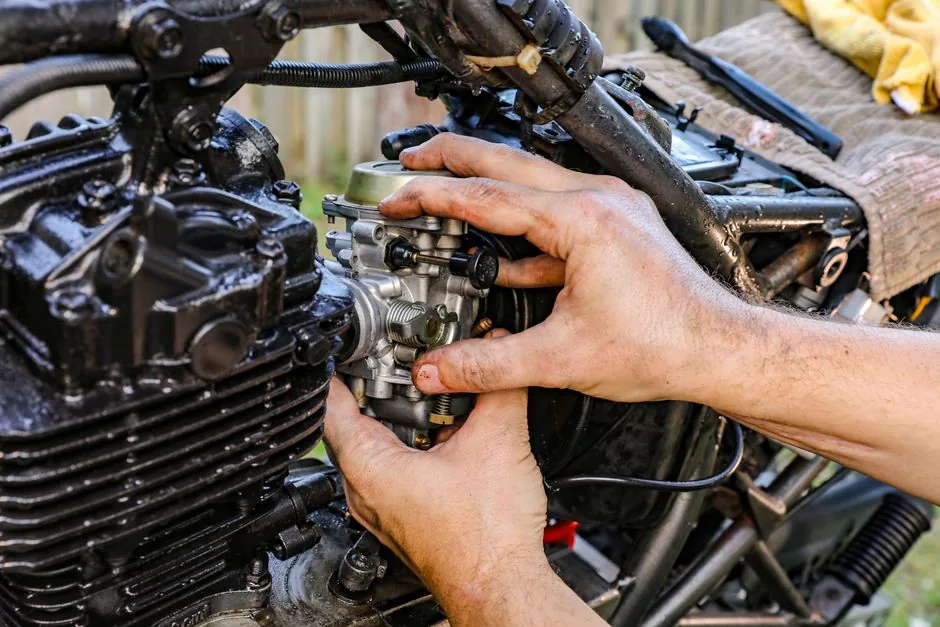
Maintaining a clean motorcycle gas tank is crucial for your bike’s performance and longevity. Over time, gas tanks can accumulate rust, sediment, and old fuel deposits that may clog fuel lines and filters, leading to engine issues. Knowing how to clean a motorcycle gas tank properly not only preserves fuel flow but also helps avoid costly repairs. This article guides you through the essential steps, safety tips, and tools needed to clean your gas tank effectively.
Why Cleaning Your Motorcycle Gas Tank Matters
A gas tank exposed to fuel and air can develop rust or sediment build-up, especially if the bike sits unused for long periods or the fuel quality is poor. Rust particles can clog carburetors or fuel injectors, causing rough idling, stalling, or reduced power. Cleaning ensures:
Removal of rust and sediment
Prevention of fuel contamination
Improved fuel flow and engine performance
Longer lifespan of fuel system components
Regular inspection and cleaning as needed will keep your motorcycle running smoothly and reduce maintenance problems.
Tools and Materials You’ll Need
Protective gloves and safety glasses
Socket wrench set (to remove the tank)
Plastic funnel
Container for draining old fuel
Gas tank cleaner or rust remover (commercial or homemade)
Wire brush or scouring pad
Clean water supply
Rags or paper towels
Compressed air (optional, for drying)
Step-by-Step Instructions on How to Clean a Motorcycle Gas Tank
Remove the Gas Tank: Work in a well-ventilated area away from flames or sparks. Disconnect the fuel lines and electrical connectors carefully, then use your wrench to unbolt the tank from the frame. Drain any remaining fuel into a suitable container.
Inspect the Tank: Shine a light inside to check for rust, debris, or residue buildup. If rust is light, cleaning will restore it; severe rust may require professional repair or tank replacement.
Apply Tank Cleaner or Rust Remover: Pour a commercial gas tank cleaner or a homemade mixture (such as a combination of vinegar and baking soda) into the tank. Swirl it around to cover all interior surfaces. Let it soak according to product instructions—typically 30 minutes to several hours.
Agitate Rust and Sediment: After soaking, add a handful of clean steel wool pads or small nuts and bolts to the tank. Seal the fuel opening and shake the tank vigorously to scrub off rust and dirt inside.
Image: Matthias Polen / Pexels
Drain and Rinse Thoroughly: Pour out the cleaner and debris, then rinse the tank multiple times with clean water until runoff is clear. Make sure no residual cleaner remains that could damage your engine.
Dry the Tank: Use compressed air or let it air dry completely to prevent new rust from forming. If compressed air is unavailable, leave the tank open in a warm, dry place for at least 24 hours.
Inspect and Reinstall: Check the tank’s interior again to confirm it’s clean and dry. Reattach fuel lines, electrical connectors, and remount the tank on your motorcycle securely.
Preventing Future Gas Tank Issues
To minimize rust and sediment buildup in your motorcycle gas tank, consider these tips:
Use Quality Fuel: Always fill up with fresh, reputable gasoline to reduce contaminants.
Keep the Tank Full: Keeping the gas tank topped off limits air exposure, which prevents condensation and rust.
Add Fuel Stabilizer: If your bike will be stored for extended periods, a fuel stabilizer helps preserve fuel quality and keeps the tank clean.
Regular Maintenance: Periodically check fuel filters and tank condition as part of routine maintenance.
Common Questions About Motorcycle Gas Tank Cleaning
How often should I clean my motorcycle gas tank?
Cleaning frequency depends on usage, storage conditions, and fuel quality but generally every 1-2 years or whenever you notice fuel flow problems or rust.
Can I use homemade solutions to clean the tank?
Yes, vinegar or baking soda mixtures are popular natural rust removers, but ensure thorough rinsing afterward to avoid engine damage.
What if the tank has severe rust or holes?
Severe rust may require professional repairs or replacement. Holes or leaks pose safety risks and cannot safely be repaired at home.
Is it necessary to remove the gas tank to clean it?
Removing the tank provides safer, more thorough cleaning, but some minor cleaning products claim to clean tanks in place. However, removal is recommended for best results.
What precautions should I take during cleaning?
Work in a well-ventilated area, wear protective gloves and glasses, avoid sparks, and properly dispose of old fuel and cleaning chemicals.
Additional Tips for Effective Gas Tank Cleaning
Use non-metallic scouring pads if worried about damaging the tank coating.
Check and replace fuel petcock and filters if they show signs of clogging after tank cleaning.
Store your motorcycle indoors or use a high-quality cover to reduce moisture exposure.
Image: Mick Haupt / Pexels
Verdict: Keeping Your Motorcycle Gas Tank Clean for Better Performance
Knowing how to clean a motorcycle gas tank is an essential maintenance skill that improves your bike’s fuel system reliability and engine performance. By carefully removing the tank, inspecting for rust, using effective cleaning agents, and thoroughly rinsing and drying, you can prevent fuel contamination and costly repairs. Regular maintenance combined with good fuel practices will keep your gas tank in optimal condition. However, severe damage requires professional attention. Riders committed to routine care will enjoy smoother rides and extended motorcycle life.
Can leaving old fuel in the tank cause damage? Yes, old fuel can degrade and cause varnish deposits and corrosion inside the tank.
Is professional cleaning better than DIY? For minor rust and dirt, DIY is adequate; professional cleaning is recommended for severe rust or aftermarket treatments.
How do I safely dispose of old fuel and cleaning chemicals? Take them to local hazardous waste disposal facilities per regulations.
Will using additives prevent the need for cleaning? Fuel additives help but don’t eliminate the need for periodic tank cleaning entirely.
Can I reuse the same gas tank after cleaning? Usually yes, if no structural damage is present and thorough drying is done.
What signs indicate my gas tank needs cleaning? Symptoms include engine hesitation, stalling, rough idling, or fuel filter clogging.