
Starting a motorcycle club offers passionate riders a chance to build camaraderie, share memorable rides, and foster a community united by a love for motorcycles. Whether you’re interested in creating a casual riding group or a formal club with a unique identity, knowing how to start a motorcycle club involves planning, legal considerations, and thoughtful organization. This comprehensive guide will walk you through the essential steps to launch a successful motorcycle club that thrives on shared values, respect, and fun.
What Is a Motorcycle Club and Why Start One?
A motorcycle club (MC) is an organized group of riders who regularly gather for rides, social events, and charitable activities. Clubs can range from loose-knit riding groups to more formal organizations with bylaws, patches, and membership protocols. Starting a motorcycle club provides benefits such as:
- Building lasting friendships among like-minded riders
- Creating a unique identity and culture through club insignia and rules
- Coordinating group rides and community events effectively
- Encouraging safe and responsible riding practices
- Supporting charitable causes or raising awareness on motorcycle issues
Understanding the nature and responsibilities of club membership helps create a positive environment for everyone involved.
Step 1: Define Your Club’s Purpose and Values
Before forming a club, clearly define what your motorcycle club will represent. Consider the following:
- Type of Riding: Will your club focus on cruising, touring, sport riding, adventure, or a mix?
- Membership Philosophy: Is it an open club welcoming all riders or an exclusive group with stricter requirements?
- Values and Code of Conduct: Establish behavioral expectations, including respect, safety, and community involvement.
- Identity and Culture: Choose a club name, colors, and any symbols or patches that reflect your club’s character.
Setting these foundations helps attract members with aligned interests and maintain order within the group.
Step 2: Recruit Founding Members and Establish Leadership
Reliable and enthusiastic founding members form the backbone of any successful motorcycle club. Start by inviting close friends or fellow riders who share your vision. Once you have a core group, determine leadership roles such as:
- President: Oversees club operations and represents the club publicly.
- Vice President: Supports the president and fills in when needed.
- Treasurer: Manages club funds, dues, and expenses.
- Secretary: Keeps records, minutes, and communication.
You may also want officers for safety, recruitment, and event coordination. Defining clear roles encourages accountability and smooth organization.
Step 3: Create Bylaws and Club Rules
Formalizing your motorcycle club’s structure through bylaws ensures consistency and fairness. Bylaws typically cover:
- Membership requirements and application process
- Meeting schedules and decision-making protocols
- Dues collection and financial management
- Disciplinary actions and conflict resolution
- Use of club insignia and patches
Documenting these rules protects your club’s integrity and helps prevent misunderstandings or disputes.
Step 4: Handle Legal Requirements and Safety Considerations
Starting a motorcycle club involves legal and safety responsibilities. Important steps include:
- Registering Your Club: Consider registering as a nonprofit or social club for legal protection and to open bank accounts.
- Insurance: Look into liability insurance for club events and rides to protect members and organizers.
- Safety Protocols: Promote safe riding practices, require proper gear, and consider organizing safety training sessions.
- Compliance: Follow local laws related to gatherings, noise ordinances, and road safety.
Consult legal experts if needed to ensure your club is compliant and protected.
Step 5: Plan and Host Club Events and Rides
Organizing regular activities builds club spirit and attracts new members:
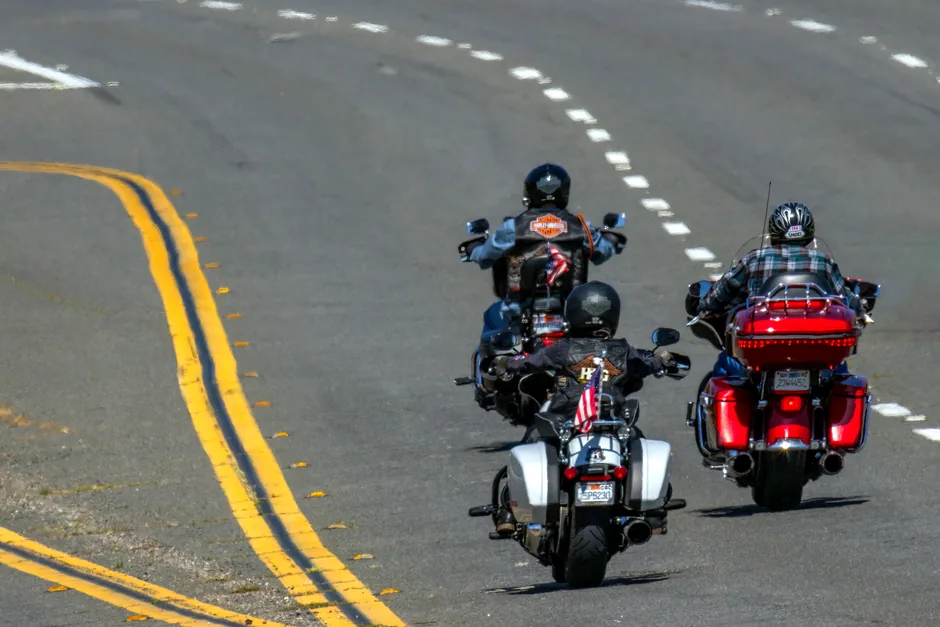
- Group Rides: Plan routes tailored for your club’s riding style, skill level, and interests.
- Meetings: Hold accessible meeting locations to discuss club business and socialize.
- Social Events: Include barbecues, charity fundraisers, bike shows, and holiday parties.
- Communication: Use social media groups, newsletters, or apps to keep members informed and engaged.
Consistent and enjoyable events lay the foundation for a vibrant club culture.
Step 6: Design Your Club Colors and Patches
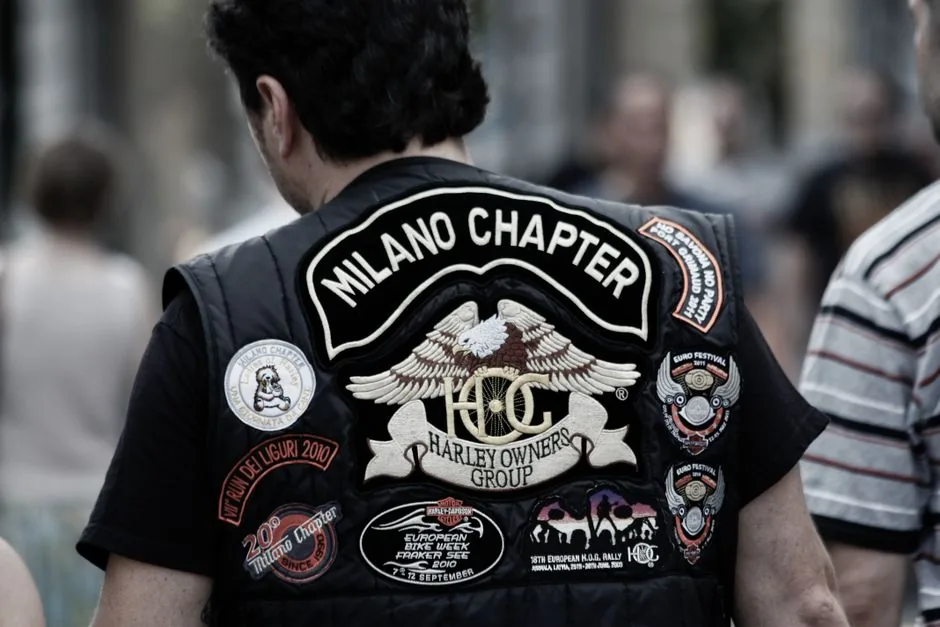
Club colors and patches serve as important symbols of identity, unity, and pride. Designing them involves:
- Choosing a unique logo that reflects your club’s values and spirit
- Deciding on a color scheme that stands out and avoids conflict with existing clubs
- Designing patches for back and front of jackets or vests, commonly including the club logo, name, and chapter
- Selecting quality materials and manufacturers to produce the patches
Wearing patches responsibly supports respect from other motorcyclists and the general public.
Step 7: Expand Your Membership and Network
Growing your motorcycle club sustainably takes effort and discernment:
- Outreach: Attend motorcycle rallies and local events to meet potential members.
- Application Process: Implement a probationary or “prospect” phase for new members to integrate fully.
- Diversity: Welcome riders from various backgrounds while maintaining your club’s core values.
- Networking: Connect with other clubs, motorcycle shops, and charities to enhance your presence.
A strong network brings opportunities and enriches your club’s experience.
Frequently Asked Questions (FAQs)
What is the main difference between a motorcycle club and a riding group?
A motorcycle club usually has formal membership, structured leadership, bylaws, and club colors. Riding groups are often informal, casual assemblies without official rules or patches.
Do I need to register my motorcycle club legally?
While not always mandatory, registering your club as a nonprofit or social organization provides legal protections, helps open bank accounts, and legitimizes your activities.
How can I ensure safety during club rides?
Implement ride guidelines, ensure all members wear proper gear, maintain communication during rides, and organize pre-ride safety meetings.
Can women join motorcycle clubs?
Absolutely. Many motorcycle clubs are open to all genders, and some are even exclusively for women, promoting inclusivity and diversity.
How do I handle conflicts between club members?
Refer to your club bylaws and disciplinary procedures. Encourage communication, mediation, and if necessary, votes by leadership or the whole club.
What are common challenges when starting a motorcycle club?
Common challenges include recruiting committed members, setting fair rules, handling finances transparently, and maintaining group harmony.
Conclusion: Building a Thriving Motorcycle Club
Starting a motorcycle club is a rewarding endeavor that goes beyond just riding together. It requires thoughtful planning, clear communication, legal awareness, and a strong sense of community. Focus on defining your club’s identity, fostering respect among members, and promoting safe and enjoyable motorcycling experiences. With dedication, your motorcycle club can become a respected and lasting organization that enriches the lives of its members and the wider motorcycling community.
For more information on organizing motorcycle activities and building strong rider networks, consider exploring articles about motorcycle organizations and group riding safety.