Knowing how to read motorcycle tire size is crucial for every rider. Tire size affects handling, traction, and overall safety on the road. Whether you’re replacing worn tires or upgrading to performance models, understanding the tire size code ensures you select the right fit for your bike. This guide explains key tire size markings, their meanings, and why they matter for your motorcycle’s performance.
Understanding Motorcycle Tire Size Markings
Motorcycle tire sizes are typically displayed on the tire’s sidewall using a standardized alphanumeric code. These codes provide detailed information about the tire’s dimensions and capabilities in a concise format.
The most common format you’ll encounter for modern motorcycle tires looks like this: 120/70 ZR17.
Here’s what each part means:
- 120 – The tire’s width in millimeters, measured from sidewall to sidewall.
- 70 – The aspect ratio, which is the height of the sidewall expressed as a percentage of the tire width. In this case, 70% of 120 mm.
- Z – The speed rating, indicating the maximum safe speed the tire can handle.
- R – Radial construction type of the tire (other types include Bias or Diagonal).
- 17 – The diameter of the wheel rim in inches that the tire fits.
Some tires use different formats or include additional markings such as load index or specialized tread type codes, which we’ll explain further below.
Breaking Down the Tire Size Components
1. Width (e.g., 120)
Refers to the tire’s nominal width in millimeters. A wider tire can provide more grip but might affect handling characteristics.
2. Aspect Ratio (e.g., 70)
This is the height of the tire sidewall as a percentage of the width. A lower aspect ratio means a shorter sidewall, which often improves cornering and stability but can reduce comfort.
3. Construction Type (R or B)
R stands for radial construction, where cord plies run radially across the tire. B or D usually mean Bias or Diagonal ply construction. Radial tires are most common on modern motorcycles, providing better road contact and heat dissipation.
4. Rim Diameter (e.g., 17)
This is the wheel rim size in inches. Tires must match the rim diameter exactly to ensure proper fit and safe operation.
5. Speed Rating (e.g., Z, W, or V)
The speed rating indicates the maximum speed capability under specified conditions. Common ratings include Z (above 149 mph), W (168 mph), and V (149 mph). Always choose tires rated at or above your maximum riding speed.
Additional Tire Markings to Know
Other important markings on your motorcycle tire include:
- Load Index: A number that corresponds to how much weight the tire can support safely. It is critical to ensure the tire supports your motorcycle’s weight and any added load.
- DOT Code: Indicates compliance with U.S. Department of Transportation safety standards and includes manufacturing date.
- Tyre Type: Marks like “TL” (tubeless) or “TT” (tube type) specify whether the tire requires an inner tube.
- Traction and Temperature Grades: Common especially in street tires, these ratings indicate grip performance and heat resistance under defined conditions.
- Directional Arrow: Shows the correct rolling direction for the tire to optimize tread performance and wear.
How to Read Older or Alternative Tire Size Formats
Older motorcycles or specialty tires sometimes use different systems, such as:
- Inch-based formats: Tires sized as 3.50-18, where 3.50 is width in inches, and 18 is rim diameter.
- Alpha-numeric codes: Including codes like “120/70 ZR 18 M/C 59W,” where M/C denotes motorcycle tire and numbers/letters provide load and speed rating.
In these cases, refer to manufacturer information or tire catalogs to ensure compatibility and accuracy.
Practical Tips for Choosing the Right Motorcycle Tire Size
Choosing the right tire size involves more than just matching the numbers on your current tires. Consider these factors:
- Follow Manufacturer Recommendations: Your motorcycle’s owner manual lists approved tire sizes and specifications that balance safety and performance.
- Rim Compatibility: Tires must fit your wheel rims precisely; improper fit can cause unsafe handling or tire failure.
- Riding Style and Conditions: Adventure riders may prefer wider tires for stability; sport riders may choose lower aspect ratios for agility.
- Load and Speed Requirements: Ensure load index and speed rating suit your motorcycle’s weight and max speed.
Common Questions About Motorcycle Tire Size
Here are some frequently asked questions to clarify common doubts:
Can I use a tire with a different width or aspect ratio?
Changing tire dimensions outside manufacturer specs can impact handling, speedometer accuracy, and safety. Consult a professional mechanic or tire expert before switching sizes.
What happens if I use the wrong rim diameter?
Using the incorrect rim diameter is unsafe and can damage the tire or rim, potentially causing failure while riding.
How do I find out the manufacturing date of my tire?
The DOT code on the sidewall provides the week and year of manufacture, usually in the last four digits. For example, “2319” means the 23rd week of 2019.
Is it important to match tires on front and rear wheels?
Front and rear tires often differ in size and design due to different loads and performance needs. Always use sizes and types recommended for each position.
Can I switch from tube-type to tubeless tires?
This depends on your wheel design; wheels meant for tube-type tires may not seal properly with tubeless tires. Consult your wheel manufacturer or a tire expert.
Practical Insights for Motorcycle Owners
Experienced riders find regular tire inspections and size checks essential for safety and performance. Tires wear over time and need replacements with matching or compatible sizes. Incorrect tire sizing can negatively affect handling, braking, cornering, and overall ride comfort. When upgrading tires, consult trusted brands and professionals to maintain the right balance between grip, longevity, and cost.
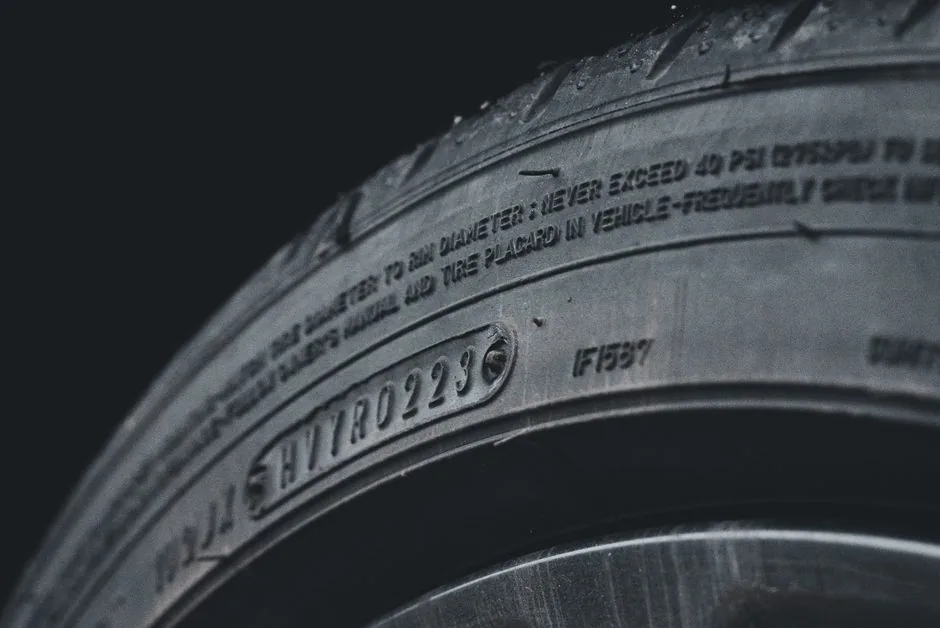
Reading Tread Patterns and Other Sidewall Info
Alongside size codes, sidewall markings include tread wear indicators, maximum pressure guidelines, and manufacturer details. Understanding these helps you evaluate tire condition and suitability for your riding style or terrain.

Summary and Final Advice
Reading motorcycle tire size correctly means identifying width, aspect ratio, construction type, rim diameter, and speed/load ratings on the sidewall. These combined specifications ensure the tire fits your bike, supports required loads, and performs safely at your riding speeds. Always prioritize manufacturer recommendations and consult experts when unsure.
Proper tire sizing improves safety, traction, and overall motorcycle handling. Keeping tires in good condition with compatible sizes is one of the easiest and most effective ways to maintain your motorcycle’s riding quality.
Frequently Asked Questions (FAQ)
- What does the aspect ratio on a motorcycle tire mean?
The aspect ratio is the tire height as a percentage of its width, influencing handling and comfort. - How do I find the tire speed rating?
The speed rating is a letter code next to the size, indicating the maximum safe speed the tire can handle. - Can I mix radial and bias ply tires on my motorcycle?
Mixing tire constructions is generally not recommended as it can affect handling and balance. - What do the numbers in the DOT code mean?
The last four digits represent the tire’s manufacturing week and year. - Is it safe to use a tire wider than recommended?
Wider tires can change handling and may not fit properly; always check your bike’s specs first. - How often should I check my tire sizes?
Check tire size and condition whenever replacing tires or during regular maintenance checks. - Why is it important to match tire load index?
The load index ensures the tire can safely support your motorcycle’s weight and rider/passenger load.
Verdict
Understanding how to read motorcycle tire size empowers riders to make safe, informed choices about tire replacements and upgrades. The alphanumeric code on the tire sidewall is a standardized system packed with vital information about width, height, construction, rim fitment, and safety ratings. Adhering to manufacturer specifications and professional advice ensures your tires enhance handling and safety without compromise. Whether you’re a daily commuter, touring rider, or weekend enthusiast, mastering tire size interpretation is a fundamental aspect of responsible motorcycle ownership.