Motorcycle fairings are essential parts that define not just the look, but also the performance and comfort of many motorcycles. If you’ve ever wondered what are fairings on a motorcycle, this article provides a comprehensive explanation. Fairings are protective panels attached to the frame of a motorcycle designed to streamline airflow, shield the rider from wind, and sometimes protect mechanical components. These features have evolved considerably since their first introduction, playing crucial roles especially for sport and touring motorcycles.
Understanding fairings helps riders make informed decisions regarding bike setup, maintenance, and riding styles. Whether you’re a beginner or a seasoned rider, knowing the benefits and types of fairings can enhance your appreciation of motorcycle design and function. This article will explore their definitions, various forms, benefits, and drawbacks alongside practical insights for motorcycle enthusiasts.
What Are Motorcycle Fairings?
Fairings are structured body panels, usually crafted from fiberglass, plastic, ABS, or composite materials. They are mounted on motorcycles to cover parts of the frame, engine, and sometimes the front end. The primary purpose of fairings is to improve aerodynamics by reducing air drag, which results in higher top speeds and improved fuel efficiency.
Additionally, fairings provide protection for the rider against windblast, rain, and road debris, making long-distance and high-speed riding more comfortable. On some models, they also add style and identity, contributing to a motorcycle’s visual appeal.
Historical Context and Evolution
The concept of fairings first appeared in racing motorcycles in the 1920s and 1930s to reduce wind resistance on tracks. Over the decades, manufacturers refined their design, introducing different shapes and materials to enhance performance without compromising weight. Today, fairings are standard in many motorcycles, especially in sportbikes and touring models, while minimal or absent on naked bikes and scramblers.
Types of Motorcycle Fairings
Motorcycle fairings come in several styles depending on the intended use of the bike and riding conditions. Understanding these types helps riders choose and maintain them effectively.
Full Fairings
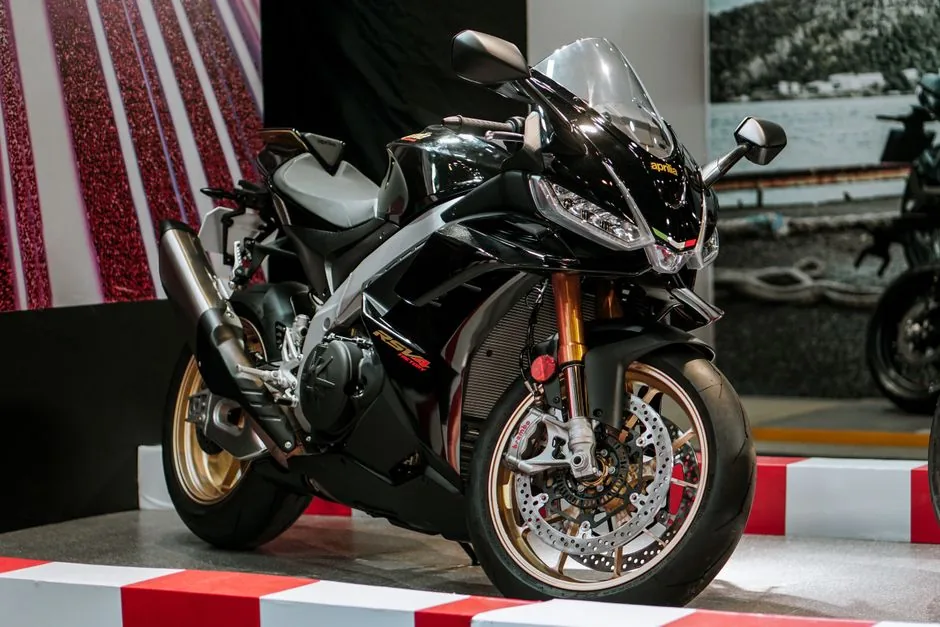
Full fairings cover the front and sides of the motorcycle extensively, sometimes enclosing the engine completely. These are most commonly found on sportbikes and sport-tourers. Full fairings offer maximum aerodynamic benefits and wind protection.
- Advantages: Significant drag reduction, enhanced rider protection, better aesthetics, and improved fuel efficiency.
- Disadvantages: Can be heavier, more expensive to repair after damage, and may reduce cooling airflow to the engine.
Half Fairings
Half fairings typically cover only the upper front portion of the bike, including the windscreen and headlight area. They provide decent wind protection for the rider’s upper body and are common on touring and cruiser motorcycles.
Quarter Fairings / Fly Screens
These are minimalist front shields that primarily help divert wind without covering much of the bike or rider. Common on naked bikes or retro models, quarter fairings improve aerodynamics slightly while keeping the motorcycle visually lightweight.
Lower Fairings / Belly Pans
These fairings cover the lower part of the engine and frame, primarily protecting from debris and enhancing airflow around the engine. Mostly seen on sportbikes and racing motorcycles.
Aftermarket Fairings
Many riders choose aftermarket fairings to customize their motorcycle’s look or improve aerodynamics. These fairings vary in quality and fit, so choosing reputable products is important.
Benefits of Motorcycle Fairings
Fairings offer multiple advantages beyond just aesthetics. Here are the key benefits:
- Aerodynamics: By streamlining airflow around the bike, fairings reduce turbulence and drag, improving speed and fuel economy.
- Rider Comfort: Fairings shield the rider from windblast, cold air, rain, and road debris, reducing fatigue during long rides.
- Protection of Components: Fairings protect mechanical parts like the engine, radiator, and electrical systems from dirt, stones, and impact.
- Improved Stability: Aerodynamic designs can help keep the motorcycle stable at higher speeds by managing airflow effectively.
- Visual Appeal: Fairings contribute to the motorcycle’s style, helping manufacturers create distinctive and sleek designs.
Drawbacks of Motorcycle Fairings
While fairings provide many advantages, there are some disadvantages riders should consider:
- Increased Weight: Full fairings add weight, which can affect handling, especially in city riding or off-road conditions.
- Cost and Maintenance: Fairings can be expensive to repair or replace after accidents. They also require care to prevent cracks or fading.
- Reduced Access: Fairings can make it harder to access engine parts for maintenance or repairs.
- Cooling Concerns: Some fairings restrict airflow to the engine, potentially causing overheating if not designed correctly.
How Motorcycle Fairings Affect Riding Experience
The presence and design of fairings significantly influence how a motorcycle feels on the road.
Highway vs. City Riding
On highways, fairings reduce wind pressure against the rider’s body, allowing for a more relaxed posture and less fatigue. This is especially evident on touring and sport-touring bikes equipped with larger windshields. Conversely, in city traffic or at lower speeds, their aerodynamic benefits are less noticeable, and the added weight can sometimes reduce maneuverability.
Long-Distance Touring
Fairings contribute greatly to rider endurance on long rides by cutting wind fatigue and protecting from weather elements. Many touring motorcycles, like the Honda Gold Wing or BMW R1250RT, come equipped with extensive fairings tailor-made for this purpose.
Sport Riding
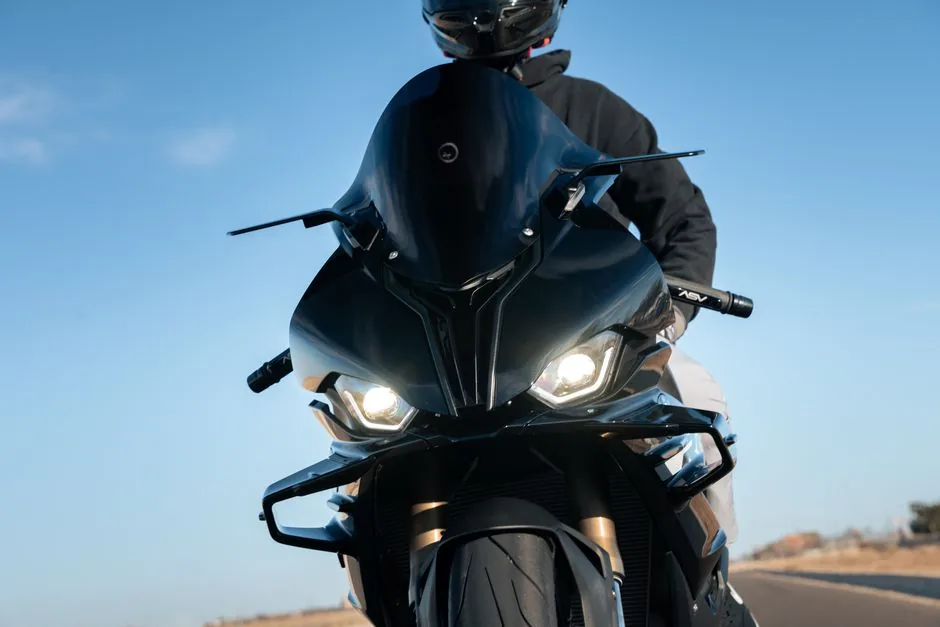
On sportbikes, fairings are optimized for high-speed aerodynamics. They reduce drag, help the bike slice through the air, and improve stability in corners and straightaways. Riders often adopt a tucked-in posture behind the fairing to maximize these benefits.
Materials Used for Motorcycle Fairings
Fairings are typically made from one or more of the following materials:
- Fiberglass: Lightweight and relatively inexpensive but prone to cracks on impact. Popular in aftermarket fairings.
- ABS Plastic: Durable, impact-resistant, and flexible with a smooth finish. Common in factory-installed fairings.
- Polycarbonate: Extremely tough and more impact-resistant than standard plastics, sometimes used for racing fairings.
- Carbon Fiber: High-end, ultra-light, and very strong, offering excellent performance benefits but at a premium cost.
Maintenance Tips for Fairings
Proper care ensures durability and maintains the appearance of your motorcycle’s fairings:
- Clean regularly with mild soap and water to avoid scratches.
- Use plastic polish or protectants to preserve finish and UV resistance.
- Avoid rough handling or improper removal to prevent cracking or misalignment.
- Inspect mounting points and fasteners periodically to ensure stability.
Frequently Asked Questions (FAQs)
1. Do all motorcycles have fairings?
No, not all motorcycles have fairings. Naked bikes and off-road motorcycles usually lack fairings, while sportbikes and touring bikes commonly feature them.
2. Can fairings improve fuel economy?
Yes, by reducing aerodynamic drag, fairings can improve fuel efficiency, especially at higher speeds on highways.
3. Are fairings necessary for beginner riders?
Fairings are not necessary for beginners but can enhance comfort and protection. Choice depends on the type of riding and personal preference.
4. How do fairings affect motorcycle handling?
Fairings add some weight and can affect low-speed maneuverability, but at higher speeds, their aerodynamic design usually improves stability.
5. What should I do if my fairing is damaged?
Minor cracks can sometimes be repaired with specialized kits. For severe damage, replacement of the fairing panels is advisable. Professional repair ensures proper fit and finish.
Conclusion: Are Fairings Right for Your Motorcycle?
Motorcycle fairings play a vital role in enhancing aerodynamics, protecting the rider, and defining a bike’s character. For riders prioritizing speed, comfort on long journeys, and wind protection, fairings are invaluable. However, they come with trade-offs like extra weight and maintenance considerations. Choosing the right type and material depends on your riding style, bike type, and personal preferences.
Experienced riders often find that fairings significantly improve highway riding comfort and stability, while city commuters may prefer the agility of minimal or no fairings. Regardless, understanding the function and types of fairings empowers riders to make informed decisions about their motorcycles and gear.