
A dual sport motorcycle is a versatile machine designed to provide both on-road comfort and off-road capability in a single package. Combining features from traditional street bikes and dirt bikes, dual sport motorcycles offer riders the freedom to explore paved streets and rugged trails without needing separate vehicles. This blend of adaptability appeals to adventurers, commuters, and recreational riders alike.
What Is a Dual Sport Motorcycle?
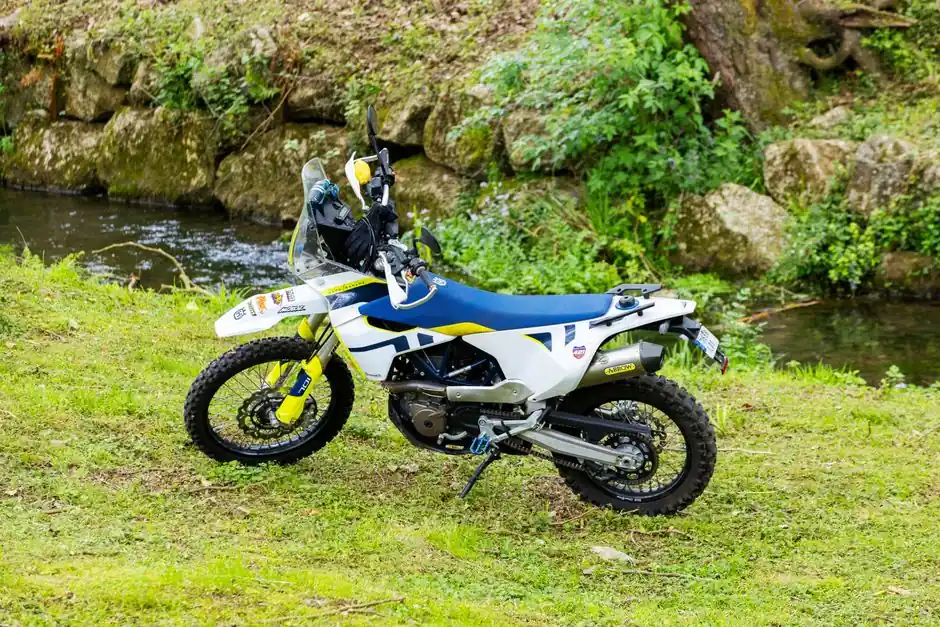
A dual sport motorcycle, sometimes called a dual-purpose or dual-use bike, is a street-legal motorcycle built to handle a mix of terrain, encompassing urban roads, highways, and off-road trails. Unlike pure off-road dirt bikes that aren’t equipped with the required lighting and safety equipment for road use, dual sport motorcycles come fully equipped with headlights, turn signals, mirrors, license plates, and emission controls to meet legal standards for street riding.
In terms of design, dual sport motorcycles typically feature:
- High ground clearance: To traverse uneven surfaces without damage.
- Long-travel suspension: To absorb shocks from rough terrain.
- Knobby or semi-knobby tires: To provide traction both on dirt and asphalt.
- Lightweight frame: Allowing maneuverability off-road.
These characteristics enable dual sport motorcycles to excel in versatility — capable of a daily commute, weekend trail rides, or even longer adventure trips.
Key Features of Dual Sport Motorcycles
The defining traits of dual sports set them apart from other motorcycle classes. Here are some critical features explained:
Street Legal Equipment
To be ridden on public roads, dual sports must comply with street regulations. This includes having:
- Headlights, tail lights, brake lights
- Turn signals
- Mirrors
- A horn
- License plate mounting
- DOT-approved tires capable of road use
This ensures the bike is safe and legal for highway travel, distinguishing it from purely off-road dirt bikes.
Suspension and Ground Clearance
Dual sport bikes usually feature extended suspension travel (often ranging from 6 to 10 inches) to absorb bumps and obstacles encountered on trails. Higher ground clearance (typically around 10 inches or more) prevents damage when riding over rocks, roots, or uneven surfaces.
Tire Design
Unlike street-only motorcycles that use slick or minimally treaded tires, dual sports use tires with a more aggressive tread pattern to grip dirt, mud, and gravel. The tread is often a middle ground between full knobby dirt tires and street tires, balancing off-road traction with road durability and handling.
Lightweight and Maneuverability
At weights usually between 300 and 450 pounds, dual sport motorcycles are lighter than many cruisers and sport bikes, making them easier to handle on tight, technical trails and urban traffic. The riding position is usually upright to provide better control and comfort in varied riding conditions.
Advantages of Riding a Dual Sport Motorcycle
Dual sport motorcycles offer unique benefits that cater to diverse rider needs:
- Versatility: Ride comfortably on highways, city streets, and off-road trails without switching bikes.
- Adventure ready: Explore remote areas inaccessible to conventional street motorcycles.
- Cost-effective: One motorcycle covers multiple riding styles, saving money on additional bikes.
- Fuel efficiency: Smaller engines and efficient designs typically deliver excellent mileage.
- Ease of maintenance: Simple mechanics akin to dirt bikes often allow for DIY servicing.
For adventure riders and weekend explorers, dual sports provide the freedom to transition seamlessly from paved roads to forest trails with confidence.
Common Uses for Dual Sport Motorcycles
Dual sport motorcycles appeal to a broad audience due to their flexibility. Typical uses include:
Commuting
Urban riders appreciate dual sports for their nimble size, upright ergonomic posture, and ability to carve through traffic. Their durable tires and suspension also handle potholes and rough city streets easily.
Adventure Touring
These bikes are a popular choice for long-distance riders seeking to mix highways and off-the-beaten-path exploration. Equipped with luggage racks and optional accessories, dual sports handle camping or multi-day trips well.
Off-Road Recreation
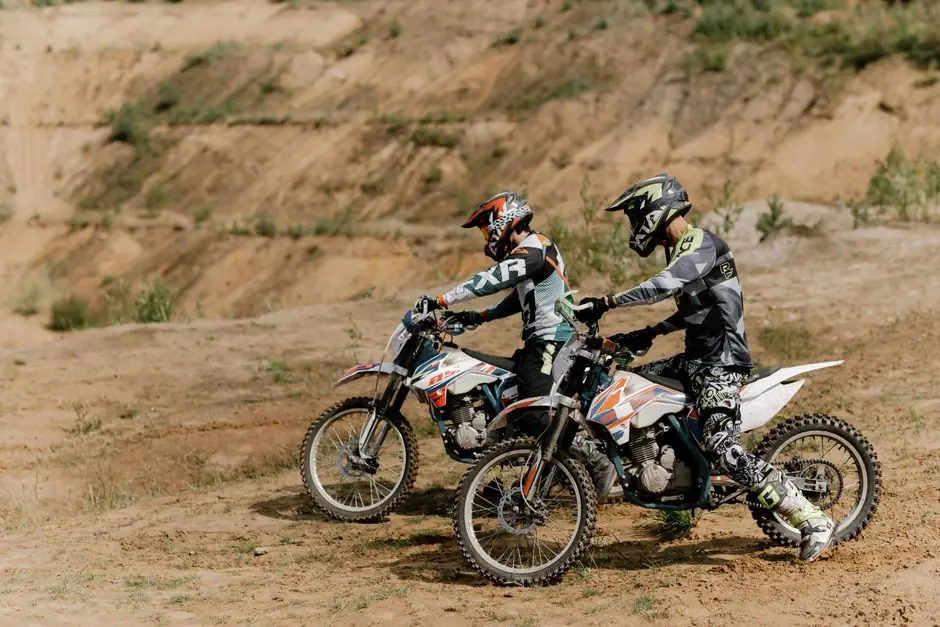
Enthusiasts often take dual sports on dirt trails, fire roads, and light motocross tracks. Their lightweight frames and rugged suspensions allow confident trail riding without sacrificing street legality.
Learning and Skill Development
Many new riders start on dual sport motorcycles because these bikes teach balance and throttle control usable both on pavement and dirt.
Popular Dual Sport Motorcycle Models
Some highly regarded manufacturer models exemplify the dual sport ideal:
- Kawasaki KLX250: Lightweight and beginner-friendly with a reliable 250cc engine.
- Honda CRF300L: Modern design, fuel-injected engine, and excellent suspension.
- Yamaha WR250R: Balanced performance with off-road capability and street comfort.
- Suzuki DR-Z400S: Robust 400cc engine suited for more experienced riders.
- BMW G 310 GS: Entry-level adventure model blending street sport and off-road traits.
These models vary by engine size, weight, features, and price, allowing riders to select one matching their skill level and objectives.
Buying Guide: Choosing the Right Dual Sport Motorcycle
When selecting a dual sport bike, consider the following key factors:
Engine Size
Smaller engines (250cc–300cc) suit novices and light trail use, while larger engines (400cc–650cc+) provide more power needed for highway speeds and heavier loads, ideal for touring.
Intended Use
Determine if your riding will be mostly city commuting, weekend trail riding, or adventure touring to pick appropriate suspension, tires, and accessories.
Budget and Maintenance
Prices vary widely. Factor in not just purchase price but potential modification costs, maintenance, parts availability, and insurance fees.
Comfort and Ergonomics
Consider seat height, riding posture, and weight to ensure comfort, especially if planning long rides.
Additional Features
Some models come with upgraded electronics like ABS brakes, fuel injection, or digital displays, which might enhance safety and usability.
Common Challenges and Maintenance
Owning a dual sport motorcycle involves some trade-offs and upkeep considerations:
- Tire Wear: Dual-compound tires wear faster on pavement than pure street tires.
- Suspension Tuning: Often requires adjustment to suit the rider’s weight and riding style.
- Corrosion Risk: Off-road riding exposes components to mud and water, needing regular cleaning and lubrication.
- Braking Performance: Less powerful than dedicated street bikes; riders need to adapt braking technique accordingly.
Regular checks on chain tension, brake pads, and air filters are critical. Many dual sport owners perform routine maintenance themselves, aided by the straightforward design of these machines.
Frequently Asked Questions (FAQ)
Can I use a dual sport motorcycle for long highway trips?
Yes, many dual sport bikes can handle highway speeds comfortably, especially those with larger engines and proper wind protection. However, they might be less comfortable than dedicated touring motorcycles over very long distances.
Is a dual sport motorcycle good for beginners?
Many dual sport models with lower engine displacement are ideal for new riders due to their manageable power, light weight, and forgiving handling.
Do dual sport motorcycles require special tires?
They use tires designed to perform on both dirt and pavement, typically semi-knobby tires. Replacing tires depends on your riding style and predominant terrain.
How often should I service a dual sport motorcycle?
Follow the manufacturer’s maintenance schedule, typically every 3,000 to 5,000 miles for oil changes and regular checks on the chain, brakes, and suspension.
What are the advantages of dual sport vs adventure motorcycles?
Dual sport motorcycles tend to be lighter, more maneuverable, and better suited for technical off-road terrain, while adventure bikes are larger, heavier, and optimized for long-distance comfort and highway stability.
Verdict
Dual sport motorcycles represent an excellent choice for riders seeking versatility without compromise. Their combination of street legality, off-road capability, and manageable size makes them suitable for diverse riding scenarios — from daily commuting to remote trail exploration.
While they may lack the specialized comfort or power of dedicated street or dirt bikes, their adaptability, economical running costs, and engaging riding experience provide strong value. Whether you are a new rider eager to improve skills or an experienced motorcyclist craving adventure, a dual sport bike offers a reliable gateway to exploring varied terrain with confidence.