Counter steering is a crucial technique for motorcycle riders of all skill levels. While it might seem counterintuitive, it’s the key method riders use to safely and effectively initiate turns, especially at higher speeds. If you’ve ever wondered what is counter steering on a motorcycle, how it works, and why it matters, this article will clarify the concept and provide practical insights to help you ride more confidently.
Mastering counter steering not only improves your handling and cornering precision but also enhances overall safety. Whether you’re a beginner learning to negotiate curves or an experienced rider aiming to refine technique, understanding this fundamental principle is essential.
What Is Counter Steering on a Motorcycle?
Counter steering is the method of steering a motorcycle by briefly steering the handlebars in the opposite direction of the desired turn to initiate a lean, which then causes the motorcycle to turn in the intended direction. This technique is effective at speeds above about 5 to 10 mph.
Simply put, if you want to turn left, you initially push the left handlebar forward (or pull the right handlebar towards you), causing the front wheel to turn slightly right. This action creates a lean to the left, allowing the bike to turn left. For a right turn, the opposite applies.
This might feel strange at first because it seems to contradict natural intuition, but counter steering works due to the physics of motorcycle dynamics, gyroscopic forces, and weight distribution.
How Does Counter Steering Work? The Physics Explained
Understanding the physics helps to appreciate why counter steering is necessary:
Gyroscopic Effect: The rotating front wheel creates a gyroscopic force that resists changes in its axis of rotation. When you push the left handlebar on a straightahead motorcycle, the front wheel momentarily turns right. This causes the bike’s frame to lean left due to gyroscopic precession.
Lean Angle: Leaning the motorcycle shifts the center of gravity, allowing the bike to balance the lateral forces during a turn. Without leaning, the bike would topple outward due to centrifugal force.
Traction and Turning: When leaned, the tires maintain grip on the road through their contact patches, enabling the bike to carve a curve smoothly.
The combination of these factors means that counter steering is not just a technique but a natural and necessary part of motorcycle dynamics at normal riding speeds.
When and Why Is Counter Steering Necessary?
Counter steering is essential for:
High-Speed Turns: At speeds typically above 5 to 10 mph, counter steering lets you lean into corners efficiently and safely.
Quick Direction Changes: When avoiding obstacles or making sudden lane changes, effective counter steering enables rapid lean and directional response.
Maintaining Stability: Proper use of counter steering helps maintain balance through turns, preventing over or under-steering.
At very low speeds, such as slow-speed maneuvers or parking, riders usually turn the handlebars in the actual direction they want to go, as the motorcycle is almost vertical and counter steering is not perceptible.
How to Perform Counter Steering Correctly
Here is a step-by-step guide to practicing counter steering safely:
Maintain a steady speed: Find an empty parking lot or quiet road and ride at a comfortable speed above 10 mph.
Initiate the lean: To turn left, push the left handlebar forward slightly or gently pull back on the right handlebar. To turn right, do the opposite.
Lean with the bike: As the lean develops, allow your body to follow naturally, keeping your posture relaxed and balanced.
Look through the turn: Visual focus on where you want to go enhances balance and control.
Throttle and clutch control: Use smooth throttle input in the curve to maintain stability.
Consistent practice helps make counter steering feel instinctive, improving cornering confidence.
Common Misconceptions About Counter Steering
Some myths riders often encounter include:
Myth: You always steer into the turn. Reality: At speeds, you initially steer opposite to the desired turn to create the lean.
Myth: Counter steering is only for racing riders. Reality: All riders use counter steering naturally at speeds; it’s not limited to advanced or racing techniques.
Myth: You need to jerk the handlebars. Reality: Counter steering is a smooth, controlled input—not sudden or forceful.
Safety Tips When Learning Counter Steering
Practice in a safe, controlled environment, free of traffic and hazards.
Wear full protective gear to minimize injury in case of a fall.
Start at moderate speeds where the feel of counter steering kicks in but is comfortable.
Use a motorcycle with responsive handling for easier feedback.
Consider taking a professional riding course to get hands-on guidance.
Real-World Applications of Counter Steering
Counter steering is fundamental in numerous everyday and specialized riding scenarios, including:
Commuting: Navigating lane changes and turns safely in urban traffic.
Touring: Handling long highway curves and mountainous roads efficiently.
Sport riding: Aggressive cornering on racetracks or twisty roads.
Adventure riding: Maneuvering technical terrain and tight trails.
Experienced riders rely on subtle applications of counter steering continuously to maintain optimum control.
Benefits of Mastering Counter Steering
Improved handling and corner entry precision.
Greater rider confidence, reducing panic in emergency maneuvers.
Smoother, safer rides with less fatigue.
Better integration with other riding techniques—throttle control, braking.
Enhanced motorcycle longevity due to controlled riding inputs.
Counter Steering and Different Motorcycle Types
While the principles of counter steering remain consistent across motorcycle categories, the feedback and effort required vary depending on bike geometry, weight, and tire size. For example:
Sportbikes: Quick steering geometry makes counter steering very responsive.
Cruisers: Heavier front ends might require more input force but still use counter steering.
Adventure bikes: Often taller and heavier but still rely on counter steering for dynamic control.
Understanding how your specific motorcycle reacts to counter steering is part of developing expert riding skills.
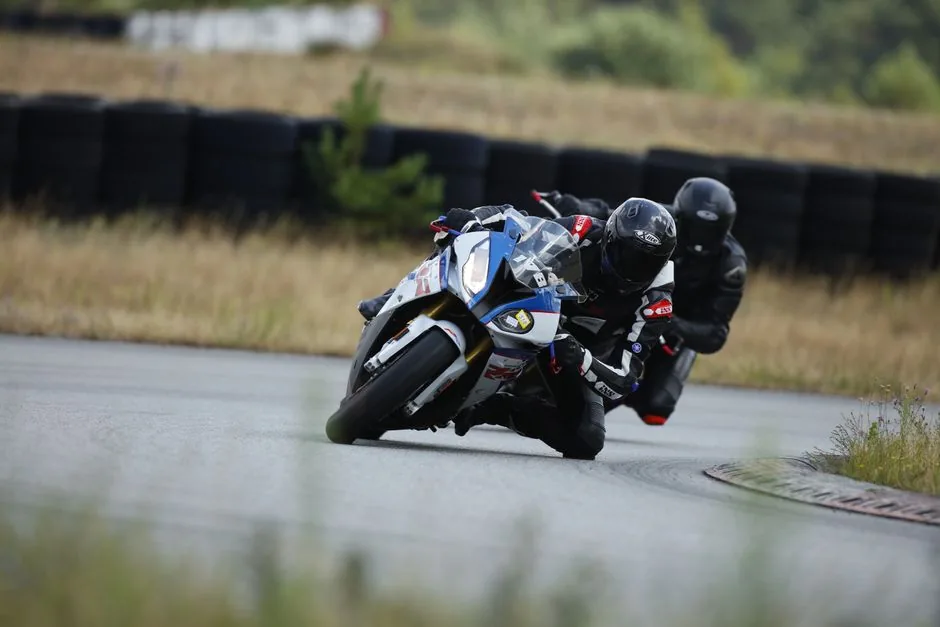
Image: Johann Löwen / Pexels
Illustration of counter steering forces and bike lean angle during a turn.
FAQs About Counter Steering
1. Is counter steering hard to learn?
No, counter steering is a natural response at speed, and with practice, it becomes intuitive. Beginners often benefit from guided training to speed up learning.
2. Can I turn a motorcycle without counter steering?
At very slow speeds, you steer directly into the turn without noticeable counter steering, but above walking pace, counter steering is essential for effective turning.
3. Does counter steering work on bicycles too?
Yes, bicycles also rely on counter steering to initiate a lean and change direction effectively.
4. What happens if I don’t counter steer at speed?
The bike will resist turning and might feel unstable or harder to control, increasing the risk during cornering.
5. Can counter steering cause a crash?
If applied abruptly or aggressively without skill, counter steering inputs can upset balance, but when done properly, it improves stability and safety.
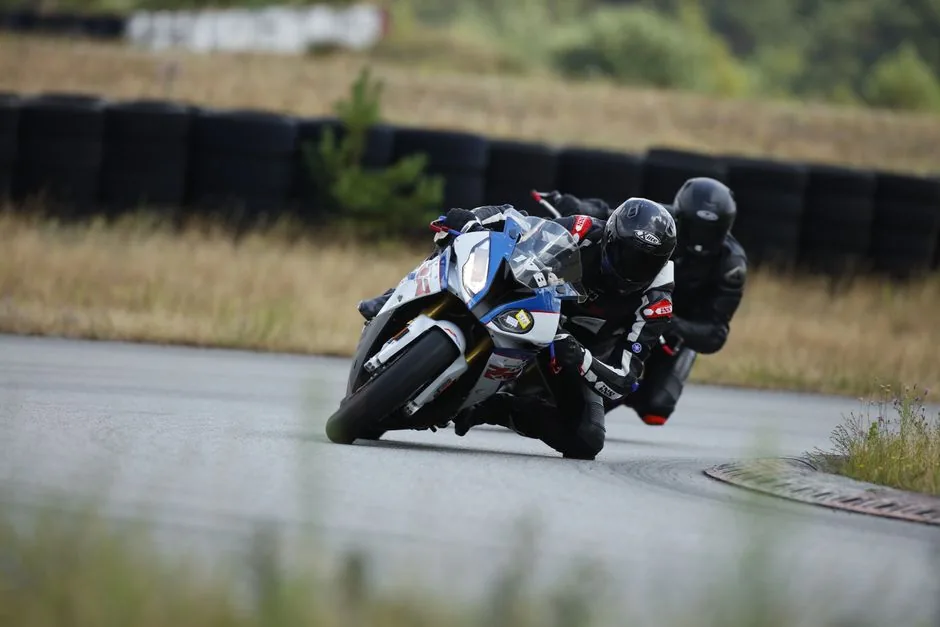
Image: Johann Löwen / Pexels
Motorcycle rider demonstrating counter steering technique on a curvy road.
Conclusion: Why Every Rider Should Understand Counter Steering
Counter steering is the cornerstone of motorcycle control and safety. Although initially counterintuitive, it is the most effective way to initiate a lean and steer your motorcycle. Understanding and practicing counter steering leads to smoother turns, better stability, and increased rider confidence — vital for safe riding in all environments.
Whether you commute daily, tour long distances, or enjoy spirited weekend rides, mastering counter steering will make your time on the road safer and more enjoyable. By embracing this fundamental technique, riders tap into the natural dynamics of motorcycles and elevate their riding skill to the next level.