Riding a motorcycle with a passenger requires more skill, preparation, and communication than riding solo. Understanding how to safely carry a passenger not only improves the riding experience but also ensures the safety of both the rider and the passenger. Whether you’re new to riding with a pillion or looking to refine your technique, this guide will walk you through essential steps and precautions to ride confidently with a passenger.
Preparing Your Motorcycle for a Passenger
Before taking a passenger on board, it’s crucial to ensure your motorcycle is physically ready. Carrying an additional person changes the bike’s dynamics, weight distribution, and braking performance. Proper preparation helps maintain control and safety.
- Check the Motorcycle’s Weight Capacity: Consult your owner’s manual for the maximum combined weight your bike can safely carry, including passenger and luggage.
- Inspect Tire Pressure and Condition: Increased load requires appropriate tire pressure, usually higher than solo riding specifications. Also, confirm tread depth and overall tire health.
- Adjust Suspension Settings: Many motorcycles have adjustable rear suspension. Set it to the appropriate preload to account for the passenger’s weight for improved handling and comfort.
- Confirm Proper Footpeg and Seat Availability: Ensure your passenger has comfortable and secure footpegs to maintain stability while riding.
Communicating and Preparing Your Passenger
Effective communication with your passenger is vital before and during the ride. This ensures they understand how to behave, contributing to a safer ride.
- Brief the Passenger on Riding Etiquette: Explain the need to hold onto the rider or grab the designated handles, keep feet on the footpegs, and avoid sudden movements.
- Explain Leaning and Cornering: Inform your passenger that they should lean with you naturally and not try to counterbalance independently.
- Dress Appropriately: Make sure your passenger is equipped with suitable motorcycle gear, including a DOT-approved helmet, protective jacket, gloves, and boots.
- Practice Mounting and Dismounting: Teach your passenger to mount and dismount safely by waiting for permission and using the appropriate sides.
- Agree on Communication Signals: Establish hand signals or simple audio communication if you have Bluetooth headsets to manage stops or emergencies.
Riding Techniques When Carrying a Passenger
Riding with a passenger changes the motorcycle’s handling, acceleration, and braking characteristics. Adapting your riding style is essential for safety.
- Accelerate and Brake Gradually: The added weight increases stopping distance, so apply brakes gently and earlier than usual.
- Maintain Smooth Steering and Leaning: Avoid sudden or sharp turns. The bike will feel heavier and respond slower, particularly in corners.
- Increase Following Distance: Keep a larger gap between you and other vehicles to allow sufficient reaction time.
- Ride at Moderate Speeds: Avoid high speeds to maintain control and stability, especially in wet or unpredictable road conditions.
- Be Mindful of Wind Resistance: A passenger increases frontal area, affecting aerodynamics. Compensate by adjusting body position and throttle smoothly.
Adjusting Body Position and Balance
Proper body positioning helps you manage the motorcycle’s altered balance with a passenger aboard.
- Keep your weight centered and lower your body slightly to counterbalance the bike’s increased mass.
- Encourage your passenger to sit upright and close to you, avoiding leaning away during turns.
- When cornering, lean the motorcycle more gradually than usual while maintaining steady throttle control.
Common Challenges and How to Overcome Them
Riding with a passenger may present challenges that require practice and patience.
- Heavier Handling: Expect a heavier feel; plan for longer braking distances and slower maneuvering.
- Passenger Anxiety: New passengers may feel nervous or move unpredictably; calm reassurance and clear briefing help.
- Increased Fuel Consumption: Additional weight leads to higher fuel use; plan refueling stops accordingly.
- Imbalanced Loading: Ensure your passenger’s weight is balanced and luggage is distributed evenly to avoid wobbling.
Safety Gear and Legal Considerations
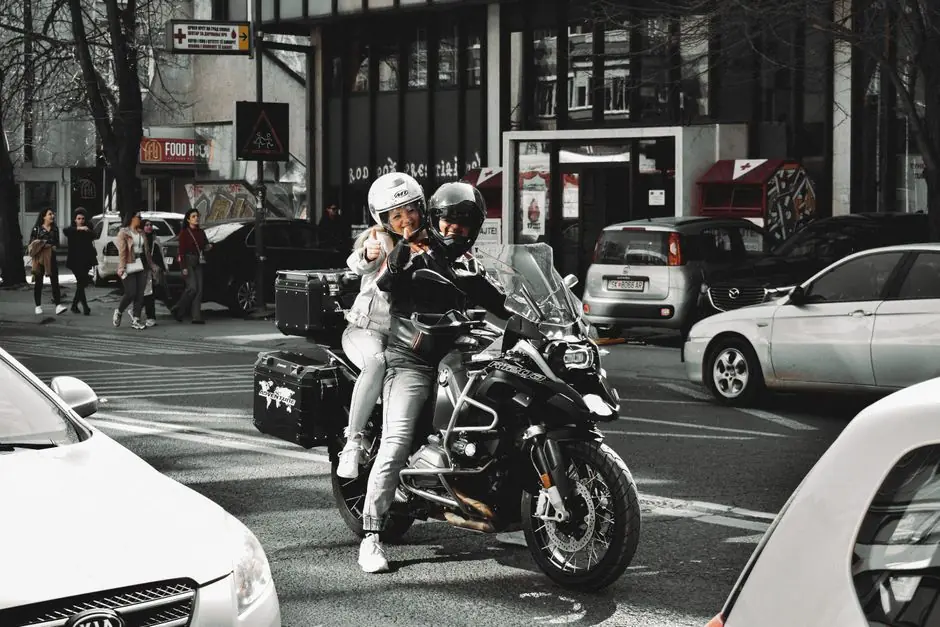
Safety is paramount when riding with a passenger. Both the rider and passenger must wear approved protective gear to minimize injury risks.
- Helmets: Both must wear helmets that meet safety standards such as DOT, ECE, or Snell.
- Protective Clothing: Jackets, pants, gloves, and boots made of abrasion-resistant materials improve protection.
- Check Local Laws: Regulations on passenger riding vary; some regions require specific equipment or age limits.
- Insurance Coverage: Confirm your motorcycle insurance policy covers carrying a passenger.
Frequently Asked Questions (FAQ)
Can any motorcycle carry a passenger?
Most motorcycles designed with a passenger seat and footpegs can carry a passenger, but always check the manufacturer’s weight limit and local regulations.
How do I teach a new passenger to ride comfortably?
Brief them on safety, mounting/dismounting, balance, and hand-holding. Start with short, slow rides in safe areas to build confidence.
Do I need to adjust my riding style with a passenger?
Yes. Ride more smoothly, accelerate and brake gently, and allow more space for stopping and turning.
What should a passenger wear for safety?
At minimum, a proper helmet, protective jacket, gloves, pants, and boots are essential for protection.
Is it harder to ride at night with a passenger?
Riding with a passenger requires greater concentration anytime, including at night. Ensure proper lighting and reduce speed for safety.
How can I handle long trips with a passenger?
Ensure comfort by taking breaks often, adjusting suspension, and maintaining clear communication about pace and stop preferences.
What if my motorcycle doesn’t have passenger footpegs?
Without footpegs, carrying a passenger is unsafe and generally not recommended.
Verdict
Riding a motorcycle with a passenger is a rewarding experience but demands increased awareness, preparation, and adaptation of riding techniques. Key strengths include enhancing riding enjoyment and sharing the journey, while challenges involve handling heavier dynamics and ensuring passenger comfort. Ideal for riders with intermediate skill who are willing to learn safety practices. Following proper preparation, communication, and gear use results in safer rides that maximize enjoyment for both rider and passenger.
Always prioritize safety by respecting weight limits, equipping proper gear, and practicing gradual adjustment to new riding dynamics. For novice riders, consider professional training on passenger riding techniques. Overall, riding with a passenger can be safe and enjoyable when done responsibly.