Jump starting a motorcycle is a practical skill every rider should know, especially in emergencies when the battery is dead. Knowing how to jump start a motorcycle safely and correctly can help you get back on the road quickly without damaging your bike’s electrical system. This guide explains the step-by-step process, safety precautions, necessary tools, and additional tips to ensure a smooth jump start for motorcycles of various types.
Understanding Motorcycle Jump Starting
Jump starting a motorcycle involves using an external power source, typically another motorcycle or a car battery, to provide the necessary voltage to start the engine when the motorcycle’s battery is weak or dead. Unlike cars, motorcycles generally have smaller batteries and electrical systems, so following proper steps is crucial to avoid damage.

Essential Tools and Safety Precautions Before Jump Starting
- Tools Needed: Jumper cables, a donor vehicle with a functioning battery (car or motorcycle), and basic hand tools (optional).
- Safety Gear: Gloves and eye protection are recommended to prevent injuries from sparks or acid leaks.
- Precautions: Ensure both vehicles are turned off before connecting cables. Avoid allowing clamps to touch each other or metallic surfaces. Verify battery voltage compatibility (most motorcycles are 12V systems).
- Check Battery Condition: Avoid jump starting if the battery is leaking or visibly damaged.
Step-by-Step Guide: How to Jump Start a Motorcycle
- Position Vehicles: Park the donor vehicle close but not touching the motorcycle, ensuring both are in neutral (motorcycle in neutral, car in park or neutral).
- Turn Off Ignition: Turn off ignition and all electrical accessories on both vehicles.
- Connect Jumper Cables Correctly:
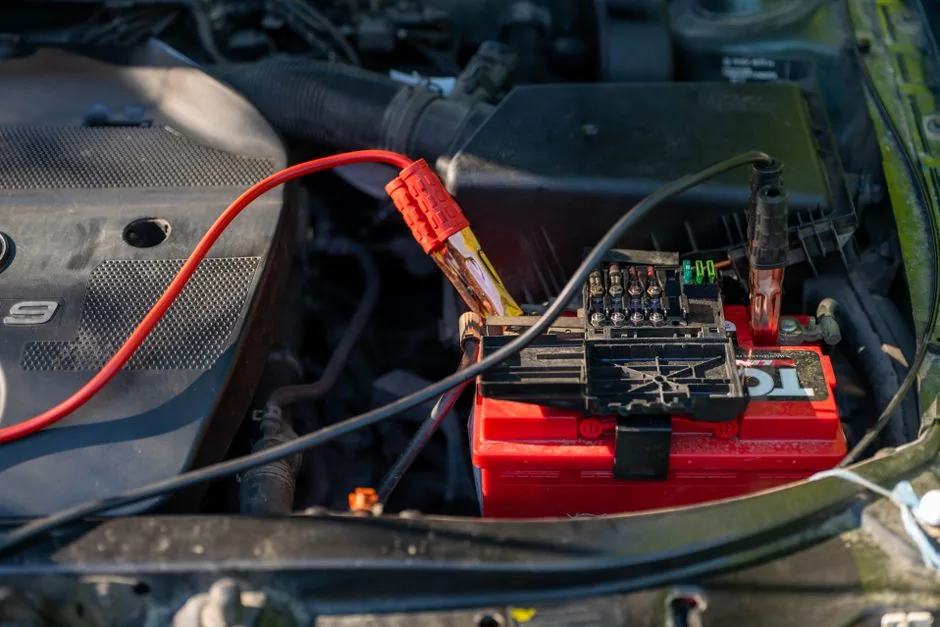
- Attach the red (positive) cable clamp to the positive terminal of the dead motorcycle battery.
- Attach the other red clamp to the positive terminal of the donor battery.
- Attach the black (negative) clamp to the negative terminal of the donor battery.
- Connect the final black clamp to a grounded metal part of the motorcycle frame away from the battery and fuel system (avoid connecting to the negative terminal of the dead battery to reduce sparking risk).
- Start Donor Vehicle Engine: Start the donor vehicle and let it run for a few minutes to charge the dead battery.
- Start the Motorcycle: Attempt to start the motorcycle. If it doesn’t start immediately, wait a few minutes and try again, but avoid prolonged cranking that can drain the donor battery.
- Disconnect Cables Carefully: Once started, disconnect jumper cables in reverse order, beginning with the black clamp on the motorcycle frame, then black clamp on donor battery, red clamp on donor battery, and lastly the red clamp on the motorcycle battery.
- Let the Motorcycle Run: Keep the motorcycle running for 15–30 minutes or ride it around to allow the battery to recharge fully.
Common Precautions and Tips for Motorcycle Jump Starting
- Voltage Compatibility: Most motorcycles use 12V batteries. Ensure the donor battery matches this to prevent electrical damage.
- Donor Vehicle Choice: Using another motorcycle is often safer due to similar electrical systems, but car batteries can work if proper care is taken.
- Avoid Reverse Polarity: Double-check cable connections before powering on to prevent damaging the motorcycle’s electronics.
- Battery Age and Condition: Old or severely damaged batteries may not hold a charge, requiring replacement rather than jump starting.
- Electrical System Maintenance: Keep terminals clean and tight, and inspect wiring regularly to reduce starting issues.
What to Do If Your Motorcycle Still Won’t Start
If jump starting fails, consider these diagnostic steps:
- Check for blown fuses that might prevent power flow.
- Inspect spark plugs and ignition system components.
- Verify fuel supply is adequate and carburetor or fuel injection is functioning.
- Consider professional servicing if electrical or mechanical issues persist.
How to Maintain Your Motorcycle Battery to Prevent Dead Starts
Proper battery maintenance extends battery life and reduces jump start needs:
- Keep battery terminals clean and corrosion-free.
- Avoid leaving the motorcycle unused for extended periods without proper storage or battery tenders.
- Charge the battery regularly, especially during colder months or after infrequent use.
- Check electrolyte levels for non-sealed batteries and top up with distilled water as needed.
- Inspect battery health annually and replace when signs of weakness appear.
Frequently Asked Questions (FAQ)
Can I jump start a motorcycle with a car battery?
Yes, you can safely jump start a motorcycle with a car battery if you follow correct procedures and take precautions to avoid damaging the motorcycle’s electrical system.
What if my motorcycle battery is completely dead?
If the battery is completely dead, jump starting may or may not work. Sometimes a deeply discharged battery cannot accept charge and requires replacement.
Is it better to use another motorcycle or a car for jump starting?
Using another motorcycle is often safer because the electrical systems are more similar, but a car’s battery can be used with care and proper connection technique.
How long should I let my motorcycle run after jump starting?
Run or ride your motorcycle for at least 15–30 minutes after jump starting to allow the battery to recharge adequately before shutting off the engine.
What precautions can prevent battery drain on motorcycles?
Turning off electrical accessories when parked, regular charging or using a battery tender, and proper storage help prevent battery drain.
Can jump starting damage my motorcycle?
Jump starting done incorrectly (wrong cable connections, wrong voltage, or poor grounding) can damage electrical components. Always follow safe jump starting steps.
Verdict: Mastering Motorcycle Jump Starting for Peace of Mind
Knowing how to jump start a motorcycle correctly is essential for all riders. It provides a reliable way to handle dead battery situations without waiting for roadside help. The key is following established safety protocols, using the right tools, and understanding your motorcycle’s electrical system. While jump starting can be quick and effective, regular battery maintenance and inspection remain the best ways to avoid unexpected breakdowns. Riders who take these precautions will enjoy greater confidence and fewer interruptions on their rides.